Introduction: When an Old Can Becomes a Scientific Treasure
Unbelievable Discovery: In science, some of the most important discoveries come from unexpected places. Sometimes they emerge from deep-sea explorations or expensive laboratory experiments. Other times, they come from something as ordinary as a dusty shelf in a storage room.
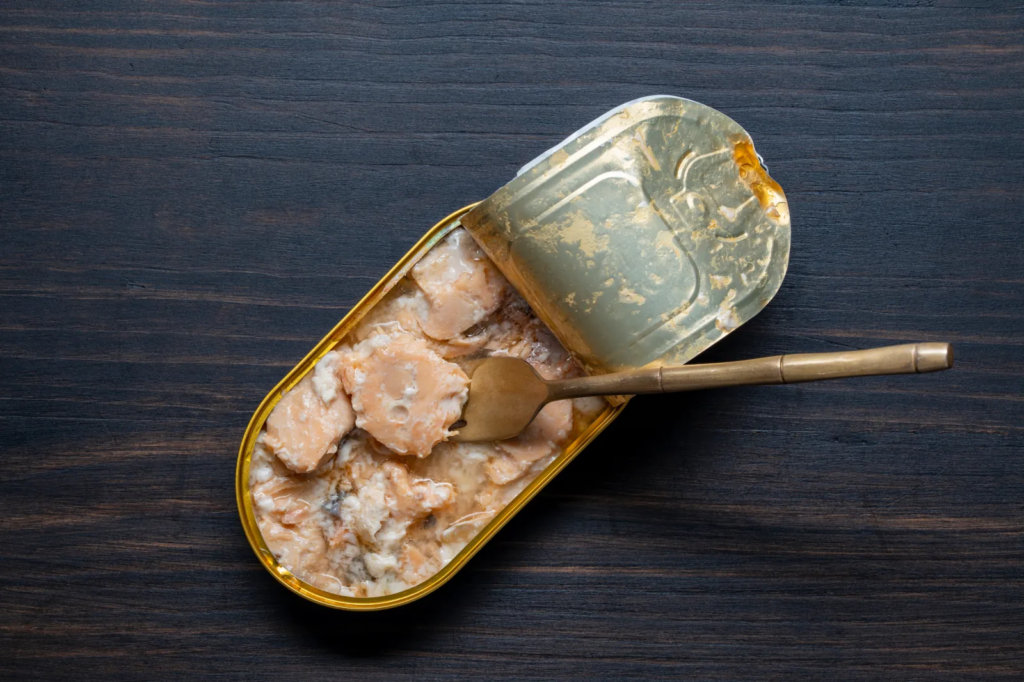
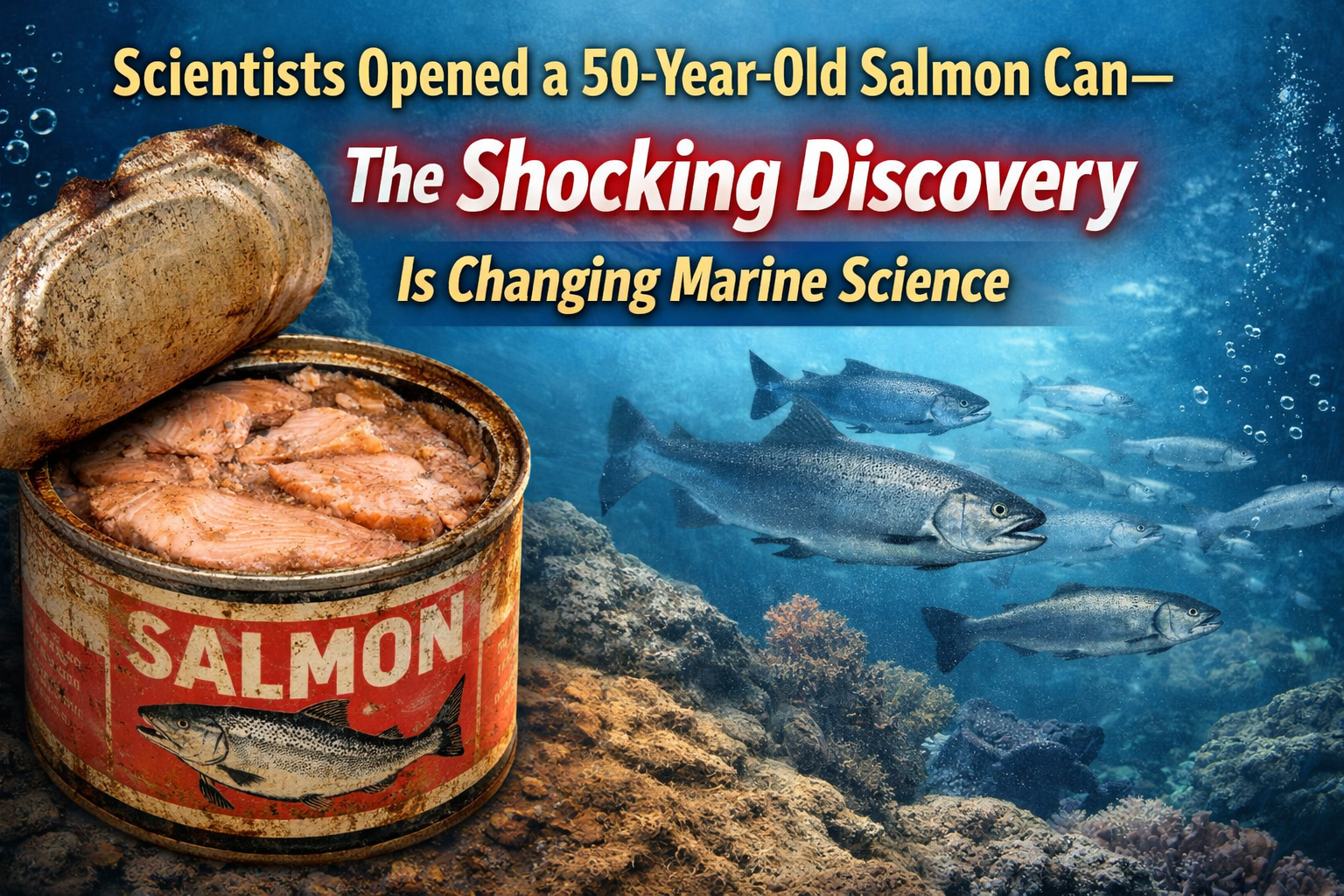
Recently, marine scientists opened a 50-year-expired can of salmon that had been sitting in storage for decades. What they discovered inside the can surprised researchers and is now helping scientists understand long-term changes in ocean ecosystems, fish populations, and environmental conditions.

This unusual scientific investigation has provided a rare glimpse into the past—offering insights that could reshape how researchers study marine life and climate change.
In this article, we explore why scientists opened the can, what they found inside, and how this accidental discovery is influencing marine science and environmental research today.
The Story Behind the 50-Year-Old Salmon Can
Why Scientists Were Interested in Old Canned Fish
At first glance, a decades-old can of salmon might seem useless. But for marine scientists, it represents something incredibly valuable: a time capsule of ocean history.

Canned fish often come from specific fisheries, locations, and years of harvest. Many seafood companies carefully recorded the origin and date of their catch. When these products are stored in museums, archives, or laboratories, they become historical samples that scientists can analyze decades later.
Researchers realized that canned fish preserved long ago could provide:
- Historical DNA samples
- Information about fish populations
- Evidence of environmental conditions
- Data about long-term ocean changes
In other words, that forgotten salmon can had the potential to reveal how marine ecosystems looked half a century ago.
Opening the Can: A Scientific Experiment Begins
What Researchers Expected to Find

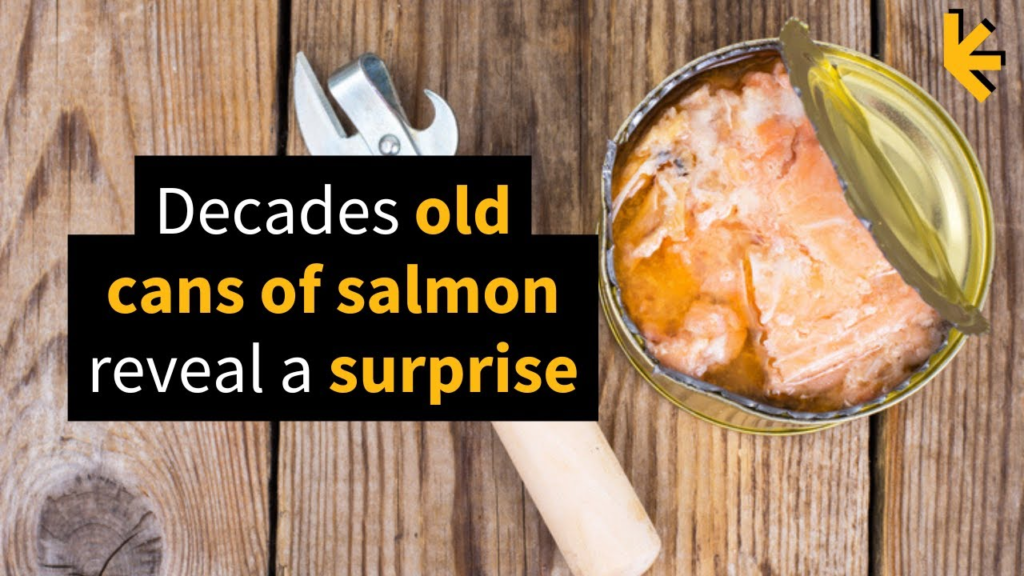
When scientists decided to open the can, they expected a few useful clues, but nothing extraordinary. Their main goal was to analyze the salmon’s biological material.
They hoped to examine:
- Fish DNA
- Stable isotopes
- Trace elements
- Nutritional composition
These markers can help scientists understand:
- What the fish ate
- Where it lived
- How ocean environments differed decades ago
However, once the can was opened, researchers discovered that the preserved salmon still contained surprisingly well-preserved biological information.
The Surprising Discovery Inside the Can
A Perfectly Preserved Snapshot of the Past
Canning is designed to preserve food safely for consumption. But scientists soon realized that the same preservation process had also protected valuable scientific data.
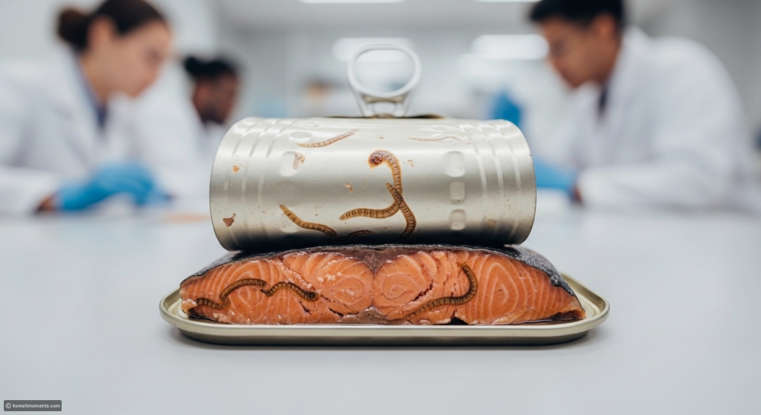
Inside the salmon, researchers were able to analyze:
1. DNA from Historic Fish Populations
The preserved salmon still contained genetic material that scientists could sequence. This allowed them to compare modern salmon populations with those from 50 years ago.
These comparisons revealed:
- Changes in genetic diversity
- Shifts in population structures
- Evidence of evolving fish stocks
This information helps scientists understand how fishing pressure and environmental changes have affected marine species over time.
2. Chemical Traces of Past Ocean Conditions
Fish tissues absorb chemical signals from the water they live in. By studying these chemical markers, scientists can reconstruct historical ocean environments.
The salmon revealed traces of:
- Ocean temperatures
- Nutrient levels
- Pollution exposure
- Food web interactions
These findings give researchers an indirect way to study what the ocean was like decades ago.
3. Clues About Historical Marine Food Chains
The analysis also revealed what the salmon had been eating when it was alive.
Using isotope analysis, scientists determined the fish’s diet and position in the marine food chain. This information helps researchers understand how marine ecosystems have shifted over time.
Why Canned Fish Are Valuable to Scientists
A Hidden Archive of Ocean History
Food products might seem like an unlikely scientific resource, but canned fish represent an enormous untapped archive.
Thousands of canned fish products from the past century are stored in:
- Food company archives
- Museums
- university collections
- government fisheries laboratories
Each can contains fish caught in a specific year and location, making them incredibly valuable historical samples.
Scientists now believe these products can help reconstruct decades of ocean history.
How This Discovery Is Reshaping Marine Science
A New Method for Studying the Past
Traditional marine research often struggles to reconstruct historical ecosystems because direct data from the past is limited.
Old canned fish offer a unique solution.
They allow scientists to compare:
- Historic fish populations
- Modern fish populations
- Changes in environmental conditions
This approach is opening new opportunities in long-term ecological research.
Understanding How Fish Populations Have Changed
Evidence of Overfishing
One of the most important questions in marine science is how fishing has affected ocean ecosystems.
By comparing DNA from historic salmon with modern populations, scientists can identify changes such as:
- Loss of genetic diversity
- Population declines
- Shifts in migration patterns
These insights help fisheries managers develop more sustainable fishing policies.
Tracking Climate Change in the Ocean
Fish as Climate Records
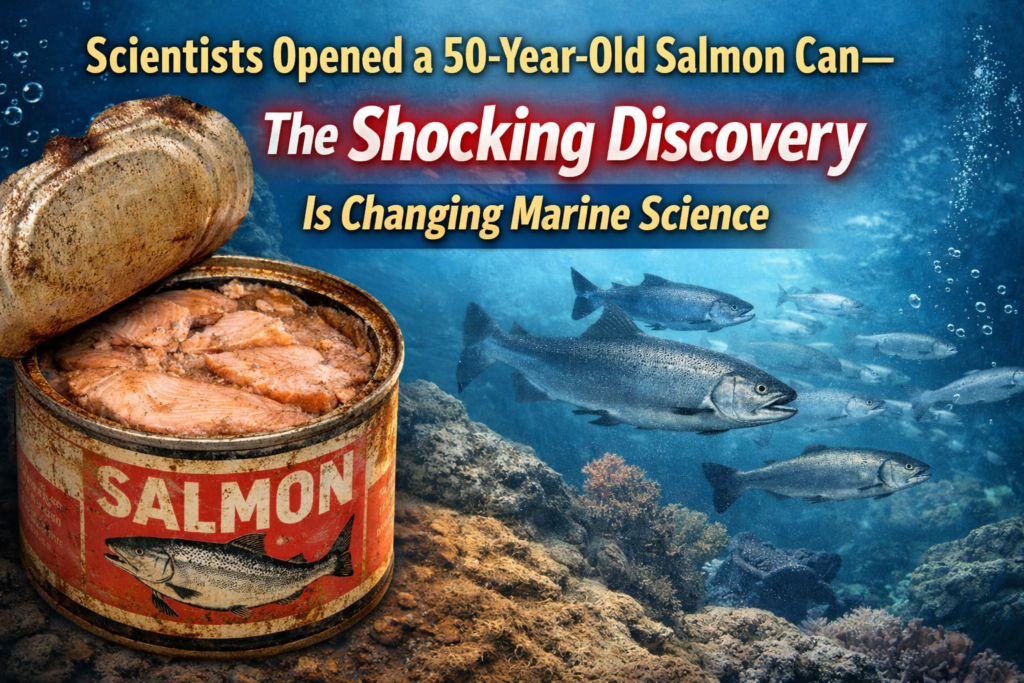
Fish store environmental signals in their bodies. As ocean temperatures and conditions change, these signals also change.
By analyzing old fish samples, scientists can track:
- Ocean warming trends
- Changes in marine productivity
- Alterations in food web dynamics
This makes preserved fish samples valuable tools for studying long-term climate change in marine environments.
What This Means for Future Marine Research
Scientists Are Now Searching for More Historical Samples
Following the discovery, researchers have begun searching for additional archived seafood products.
They are exploring:
- Museum collections
- Seafood company warehouses
- Government fisheries archives
Each sample could provide another snapshot of the ocean’s past.
Some scientists even refer to these preserved foods as “biological time capsules.”
The Role of Technology in Unlocking These Discoveries
Modern Tools Make Old Samples Valuable
Decades ago, scientists lacked the technology needed to analyze preserved fish samples in detail.
Today, modern techniques allow researchers to extract huge amounts of information from small biological samples.
These tools include:
DNA Sequencing
Allows scientists to analyze historic genetics.
Stable Isotope Analysis
Reveals diet and environmental conditions.
Trace Element Analysis
Shows chemical signals from ocean environments.
Without these advanced methods, the scientific value of the salmon can might never have been discovered.
Lessons From an Unexpected Scientific Breakthrough
Why Curiosity Drives Scientific Progress
This discovery highlights an important truth about science: valuable insights can come from unexpected places.
A forgotten can of salmon might seem insignificant, but in the hands of curious researchers, it became a powerful tool for understanding ocean history.
It also reminds scientists to preserve samples and archives, because they may hold important answers for future generations.
How Museums and Archives Are Becoming Scientific Gold Mines
Hidden Collections Around the World
Museums and archives around the world contain thousands of biological samples that have never been analyzed with modern techniques.
These include:
- Old fish specimens
- preserved seafood products
- historic biological collections
- archived environmental samples
As technology improves, scientists are revisiting these collections and discovering valuable new information.
The Bigger Picture: Protecting Ocean Ecosystems
Why Understanding the Past Matters
To protect marine ecosystems, scientists must understand how they have changed over time.
Historical samples help answer important questions such as:
- How abundant were fish populations in the past?
- How have ocean conditions changed?
- What impact has human activity had on marine life?
These answers help researchers design better strategies for conservation and sustainable fisheries management.
What the Future Holds for This Research
A Growing Field of Study
The analysis of archived biological materials is becoming an increasingly important area of marine science.
Researchers are now working to build databases of historical samples that can be studied using modern technology.
This work could transform how scientists understand:
- marine biodiversity
- ecosystem changes
- long-term environmental trends
The humble can of salmon has opened the door to an entirely new way of studying the ocean.
Conclusion: A Can of Salmon That Changed Science
What started as a simple experiment turned into a remarkable scientific discovery.
By opening a 50-year-old can of salmon, researchers uncovered a preserved snapshot of marine life from decades ago. The information hidden inside the fish is helping scientists understand how ocean ecosystems have changed and how they may continue to evolve in the future.
This unexpected discovery highlights the importance of preserving historical samples and remaining curious about the world around us.
Sometimes, the answers to big scientific questions are hiding in the most ordinary places—even inside an old can of fish sitting quietly on a shelf.
FAQs
1. Why did scientists open a 50-year-old can of salmon?
Scientists opened the decades-old can to analyze preserved fish samples that could provide historical data about ocean ecosystems. Canned fish act like biological time capsules, allowing researchers to study DNA, chemical traces, and environmental conditions from the time the fish was originally caught.
2. What did researchers discover inside the expired salmon can?
Inside the can, researchers found well-preserved biological material, including DNA and chemical markers. These samples allowed scientists to study historical fish populations, ocean conditions, and food chain dynamics from roughly 50 years ago.
3. How can canned fish help scientists study the ocean?
Canned fish preserve biological and chemical information about the environment in which the fish lived. By analyzing tissues in archived seafood products, scientists can reconstruct past ocean temperatures, pollution levels, food webs, and marine biodiversity.