

The Powerful Art of Wood-Fired Pizza: Pizza is one of the most beloved foods around the world, but not all pizzas are created equal. While many people enjoy pizza baked in conventional ovens, there is something undeniably special about pizza cooked in a wood-fired oven. From its irresistible aroma to its perfectly balanced texture, wood fire cooking can completely transform an ordinary pizza into an extraordinary culinary experience.
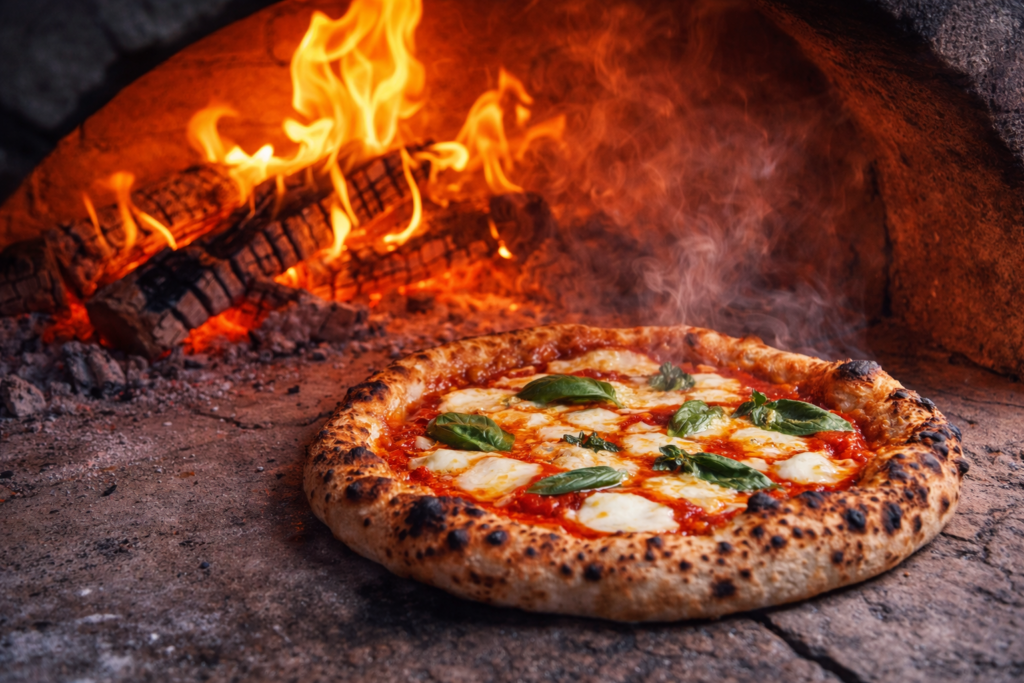
For centuries, chefs and bakers have relied on wood-fired ovens to produce authentic pizza. This traditional method originated in Naples, where classic Neapolitan pizza first gained popularity. Today, food enthusiasts and professional chefs alike continue to embrace wood fire cooking because of the unmatched flavor, texture, and authenticity it brings to pizza.

In this article, we will explore how wood fire cooking enhances pizza, the science behind the cooking process, and why this ancient method continues to dominate modern pizza-making.
The Origins of Wood Fire Pizza
A Tradition Rooted in Italian Culinary History
The art of wood fire cooking dates back thousands of years. Before modern ovens existed, people used stone or clay ovens fueled by burning wood to bake bread and prepare meals. Over time, this technique became central to the development of pizza in southern Italy.
In Naples, street vendors began baking flatbreads topped with tomatoes, garlic, olive oil, and herbs in wood-fired ovens. This simple dish eventually evolved into the world-famous Pizza Margherita, named after Queen Margherita of Savoy.

The traditional cooking process quickly became a defining feature of authentic pizza. Even today, many Italian pizzerias follow strict standards established by the Associazione Verace Pizza Napoletana, which requires pizzas to be cooked in wood-fired ovens to maintain authenticity.
What Makes Wood Fire Cooking Unique
The Power of Natural Heat
Wood-fired ovens operate differently from conventional electric or gas ovens. Instead of using heating elements, they rely on burning hardwood to generate intense heat.
The flames heat the oven’s stone surfaces, which then radiate heat evenly throughout the cooking chamber. This creates an ideal environment for baking pizza quickly and evenly.

Wood-fired ovens typically reach temperatures between 750°F and 900°F, allowing pizzas to cook in just 60 to 90 seconds.
The Science Behind Wood Fired Pizza
Three Types of Heat Working Together
Wood-fired ovens cook pizza through a combination of three types of heat.
Radiant Heat
Heat radiates from the flames and the curved oven dome, surrounding the pizza and cooking it evenly from above and the sides.
Conductive Heat
The pizza dough sits directly on a hot stone floor, which quickly cooks the bottom crust and creates a crispy texture.
Convection Heat
Hot air circulates inside the oven, ensuring toppings cook rapidly without losing moisture.
This powerful combination of heat sources creates the signature characteristics of wood-fired pizza.
Enhanced Flavor from Wood Fire Cooking
Natural Smoky Notes

One of the biggest reasons wood-fired pizza tastes better is the subtle smoky flavor created by burning wood.
Different types of hardwood produce unique aromas that influence the taste of the pizza.
For example:
- Oak produces a strong earthy flavor
- Maple adds a mild sweetness
- Hickory creates bold smokiness
- Cherry wood introduces a slightly fruity note
These natural aromas infuse the crust and toppings, enhancing the overall flavor of the pizza.
Perfect Crust Texture
Crispy Exterior, Soft Interior
The high temperature inside a wood-fired oven causes the pizza dough to cook extremely quickly. As the dough heats up, moisture inside the dough turns into steam, creating air pockets within the crust.
This process results in a crust that is:
- Crisp and slightly charred on the outside
- Light and airy on the inside
- Soft yet chewy in the center
The balance between these textures is one of the defining characteristics of wood-fired pizza.
The Signature “Leoparding” Effect
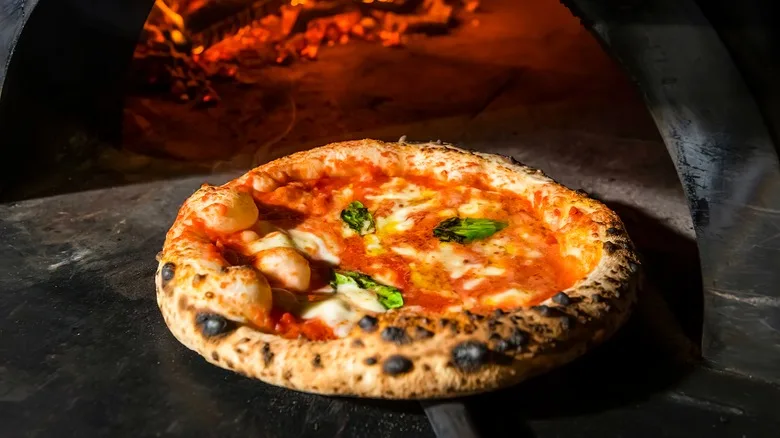
If you have ever seen authentic wood-fired pizza, you may have noticed small dark spots on the crust. These charred spots are often called “leoparding.”
They occur because the dough cooks so quickly at extremely high temperatures that certain areas caramelize faster than others.
These spots are not a flaw—in fact, they are a hallmark of authentic Neapolitan pizza.
Why Toppings Taste Better in a Wood Fired Oven
Fresh Ingredients Shine
Because wood-fired pizzas cook so quickly, toppings retain their natural flavors and textures.
Ingredients such as:
- fresh tomatoes
- basil
- mozzarella
- olive oil
- vegetables
do not overcook or dry out during the baking process.
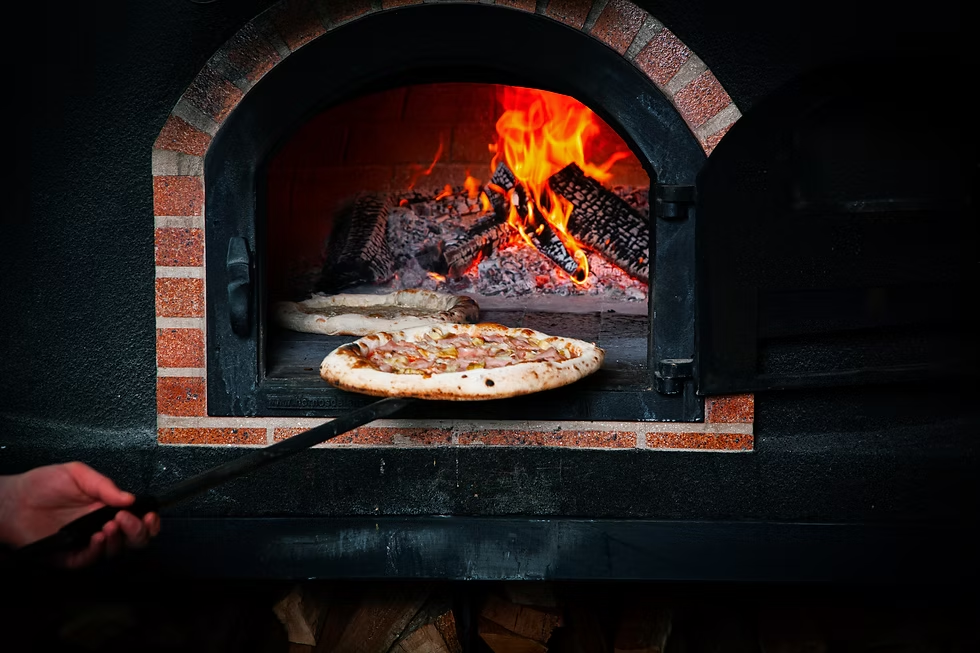
This allows each ingredient to maintain its freshness while blending perfectly with the crust.
Faster Cooking Time
Traditional wood-fired pizza ovens can cook a pizza in under two minutes. This rapid cooking time provides several advantages.
First, the crust develops a crisp exterior without becoming overly dry. Second, toppings remain vibrant and flavorful.
For busy restaurants, fast cooking also means quicker service and greater efficiency.
Health Benefits of Wood Fire Cooking
Many people are surprised to learn that wood-fired pizza can be a healthier option.
Reduced Cooking Time Preserves Nutrients
Vegetables cooked quickly retain more vitamins and antioxidants compared to slow-cooked foods.
This means toppings like tomatoes, peppers, mushrooms, and spinach remain nutritious.
Less Oil Needed
Because wood-fired ovens cook pizza so efficiently, they require minimal oil during preparation.
Traditional recipes focus on simple ingredients rather than heavy oils or processed toppings.
Why Restaurants Love Wood Fired Pizza
Restaurants around the world continue to invest in wood-fired ovens because they offer several advantages.
Authentic Culinary Experience
Customers enjoy watching pizza being prepared in traditional ovens with open flames. The visual appeal of the fire and the aroma of burning wood create an unforgettable dining atmosphere.
Premium Flavor Reputation
Wood-fired pizza is often associated with authenticity and quality. Many customers specifically seek out restaurants that use this traditional cooking method.
The Global Rise of Wood Fired Pizza
Although wood-fired pizza originated in Italy, it has become popular worldwide.
Cities known for exceptional pizza include:
- Naples
- New York City
- Rome
- Chicago
Each region has developed its own unique interpretation of pizza while maintaining the essential elements of wood fire cooking.

Wood Fired Pizza vs Conventional Oven Pizza
Understanding the differences between these two methods helps explain why wood-fired pizza is so highly regarded.
| Feature | Wood Fired Pizza | Conventional Pizza |
|---|---|---|
| Cooking Temperature | 750–900°F | 450–500°F |
| Cooking Time | 60–90 seconds | 10–15 minutes |
| Crust Texture | Crisp outside, airy inside | Evenly baked |
| Flavor | Smoky and complex | Mild |
| Ingredient Freshness | Highly preserved | Sometimes overcooked |
These differences clearly show why many pizza enthusiasts prefer the wood-fired method.
Tips for Making Wood Fired Pizza at Home
With the growing popularity of backyard pizza ovens, more people are experimenting with wood-fired cooking at home.
Here are a few tips for success:
Choose the Right Flour
Italian “00” flour is ideal for creating authentic pizza dough.
Preheat the Oven Properly
Wood-fired ovens must reach high temperatures before baking begins.
Use Simple Ingredients
Traditional pizza focuses on quality rather than quantity of toppings.
Avoid Overloading the Pizza
Too many toppings can prevent the crust from cooking evenly.
Sustainability of Wood Fired Cooking
Wood-fired ovens can also support sustainable cooking practices when responsibly sourced hardwood is used.
Wood is a renewable fuel source, and many restaurants use eco-friendly wood suppliers to reduce environmental impact.
Additionally, wood-fired ovens retain heat efficiently, allowing multiple pizzas to be cooked using the same fire.
The Future of Wood Fired Pizza
Despite advances in kitchen technology, wood-fired cooking remains one of the most respected pizza-making techniques.
Chefs continue to embrace this method because it combines:
- centuries-old tradition
- unique flavors
- artisanal craftsmanship
Many modern pizzerias blend traditional wood-fired ovens with contemporary culinary creativity, producing pizzas that honor history while pushing culinary boundaries.
Conclusion
Wood fire cooking completely transforms pizza by enhancing its flavor, texture, and authenticity. The intense heat of a wood-fired oven creates a crisp yet airy crust, while the burning hardwood adds subtle smoky aromas that elevate the entire dish.
From its origins in Naples to its global popularity today, wood-fired pizza continues to captivate food lovers everywhere.
Whether enjoyed in a traditional Italian pizzeria or cooked in a backyard oven, wood-fired pizza delivers a taste experience that is both timeless and unforgettable.
For anyone seeking the ultimate pizza experience, the magic of wood fire cooking proves that sometimes the oldest methods still produce the best results.
FAQs
1. What is wood-fired pizza?
Wood-fired pizza is pizza cooked inside a traditional oven heated by burning wood instead of electricity or gas. These ovens reach extremely high temperatures—often above 800°F (425°C)—which allows the pizza to cook quickly while creating a smoky flavor, crisp crust, and perfectly melted toppings.
2. Why does wood-fired pizza taste better than regular pizza?
Wood-fired pizza tastes better because the burning wood produces natural smoke and intense heat. This combination caramelizes the dough, lightly chars the crust, and enhances the flavor of toppings, resulting in a richer and more complex taste compared to standard oven-baked pizza.
3. How hot is a wood-fired pizza oven?
A typical wood-fired pizza oven operates between 700°F and 900°F (370°C to 480°C). This high heat cooks pizza in about 60–90 seconds, creating a crisp exterior while keeping the inside soft and airy.