

The Legendary Taste: Pizza lovers around the world often debate what makes the perfect slice. Is it the sauce, the cheese, the dough, or the cooking method? While all of these factors play an important role, one cooking technique stands out above the rest: wood-fired pizza.
For centuries, traditional pizza has been cooked in wood-burning ovens. This ancient cooking method originated in Naples, where the legendary Neapolitan pizza was born. Today, wood-fired ovens are used by chefs and pizzerias worldwide to produce pizza with unbeatable flavor, texture, and aroma.
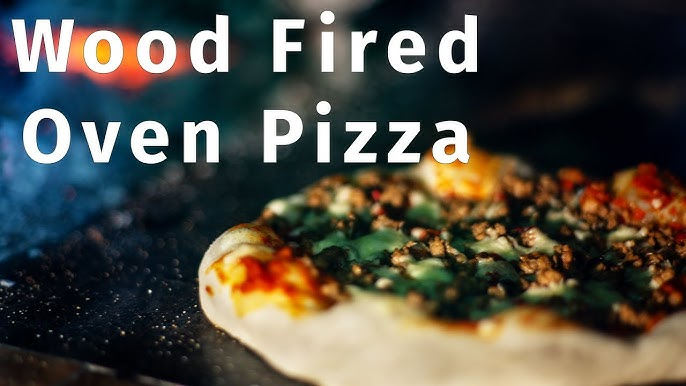

Unlike conventional ovens, wood-fired ovens cook pizza at extremely high temperatures while infusing the crust with subtle smoky flavors. The result is a pizza that has a perfectly crisp exterior, a soft and airy interior, and a depth of flavor that simply cannot be replicated by electric or gas ovens.
In this article, we will explore the top reasons wood fired pizza is better for flavor and texture, along with the science, tradition, and culinary magic behind this beloved cooking method.
The History of Wood Fired Pizza
Before modern kitchen appliances existed, wood-fired ovens were the primary cooking tools for baking bread and preparing meals. These ovens were built with stone or brick and heated by burning hardwood.

Pizza as we know it today developed in Naples during the 18th century. Street vendors baked simple flatbreads topped with tomatoes, garlic, olive oil, and herbs inside blazing hot wood-fired ovens.
One of the most famous pizzas ever created is Pizza Margherita, named after Queen Margherita of Savoy. Legend says the pizza’s toppings—tomatoes, mozzarella, and basil—represent the colors of the Italian flag.
Even today, traditional pizzerias continue to honor this heritage by cooking pizza in wood-fired ovens that reach temperatures of 800–900°F (425–480°C).

How Wood Fired Ovens Work

A wood-fired oven operates differently than a standard kitchen oven.
Instead of relying on heating elements, the oven uses burning hardwood to generate intense heat that radiates throughout the cooking chamber.
The process works in three ways:
1. Radiant Heat
Heat from the fire reflects off the curved oven dome and cooks the pizza evenly from all sides.
2. Conduction
The pizza dough sits directly on a hot stone surface, which rapidly cooks the bottom crust.
3. Convection
Hot air circulates inside the oven, cooking toppings quickly while maintaining moisture.
This combination creates the perfect balance between crispness and softness in the crust.
Superior Flavor: Why Wood Fired Pizza Tastes Better
One of the biggest reasons people prefer wood fired pizza is the distinct flavor that cannot be achieved with other cooking methods.
Natural Smoky Aroma
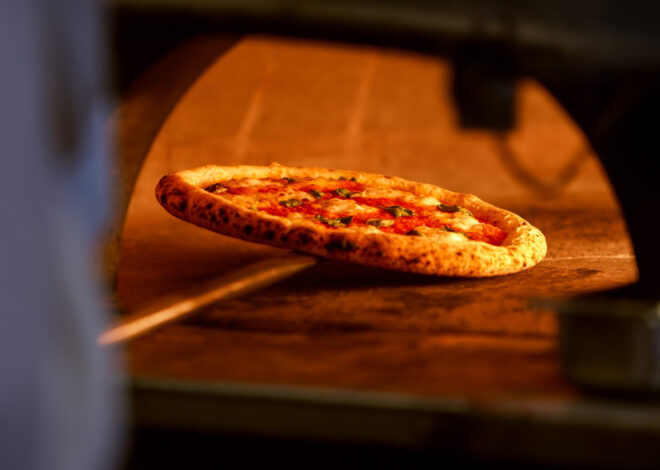
When hardwood burns inside the oven, it releases aromatic compounds that subtly flavor the pizza.
Different types of wood create slightly different flavors:
- Oak – strong and earthy
- Maple – mild sweetness
- Hickory – smoky and rich
- Cherry wood – slightly fruity
These natural aromas enhance the taste of the crust and toppings.
Caramelization and Charring
The extremely high temperature of wood-fired ovens causes sugars in the dough to caramelize quickly.
This process creates:
- Golden brown crust
- Light charred spots
- Deep, complex flavor
These charred spots are sometimes called “leoparding”, a hallmark of authentic Neapolitan pizza.
Fresh Ingredient Enhancement
Because pizza cooks in under two minutes in a wood-fired oven, toppings stay fresh and vibrant.
Ingredients like tomatoes, basil, olive oil, and mozzarella retain their natural flavor without becoming overcooked.
Perfect Texture: Crispy Yet Soft
Texture plays a major role in the pizza experience.
Wood fired ovens produce a crust that is:
- Crispy on the outside
- Soft and airy on the inside
- Slightly chewy in the center
This texture is nearly impossible to recreate in standard ovens.
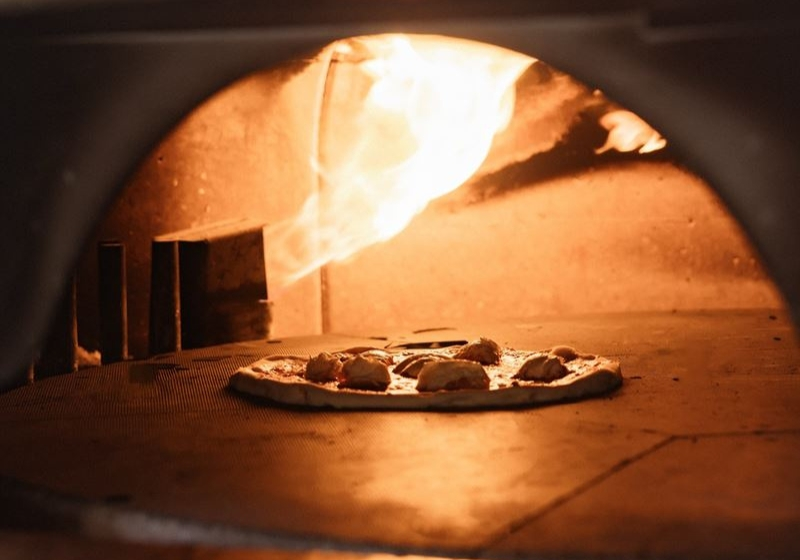
Rapid Cooking Creates Ideal Dough Structure
When dough hits the hot stone surface, moisture inside the dough turns into steam.
This causes the crust to puff up quickly, creating a light, airy interior while the outside becomes crisp.
Balanced Moisture
Wood fired ovens cook pizza so quickly that moisture is locked inside the dough.
The result is a crust that feels light rather than dry or tough.
Authentic Italian Tradition
Cooking pizza in a wood-fired oven is more than just a technique—it’s a culinary tradition.
The Associazione Verace Pizza Napoletana sets strict rules for authentic Neapolitan pizza.
According to these guidelines:
- Pizza must be cooked in a wood-fired oven
- The dough must be made with simple ingredients
- Cooking time should be 60–90 seconds
This traditional method ensures the pizza maintains its classic flavor and texture.
Health Benefits of Wood Fired Pizza
Surprisingly, wood fired pizza can also offer several health benefits.
Faster Cooking Preserves Nutrients
The quick cooking time helps vegetables maintain their vitamins and antioxidants.
Fresh toppings such as tomatoes, mushrooms, peppers, and spinach stay more nutritious compared to slow baking.
Less Oil Required

Wood fired ovens cook pizza so efficiently that less oil is needed during preparation.
This results in a lighter meal with fewer unnecessary fats.
Simpler Ingredients
Traditional pizza recipes often use minimal ingredients:
- Flour
- Water
- Yeast
- Salt
- Tomatoes
- Cheese
- Olive oil
This simplicity supports a cleaner and more natural diet.
Environmental Advantages of Wood Fired Ovens
Wood-fired ovens can also be environmentally friendly when using sustainably sourced wood.
Hardwood fuel is renewable and can produce less environmental impact compared to electricity generated from fossil fuels.
Many modern pizzerias use responsibly harvested wood to reduce their carbon footprint.
Why Restaurants Prefer Wood Fired Pizza
Restaurants around the world continue to invest in wood-fired ovens because they deliver both culinary and business advantages.
Faster Cooking Time
Pizza cooked in a wood fired oven takes about 90 seconds, allowing restaurants to serve customers quickly during busy hours.
Unique Customer Experience
Watching pizza cook inside a glowing wood-fired oven adds excitement and authenticity to the dining experience.
Many restaurants place their ovens in open kitchens so guests can see the cooking process.
Premium Flavor Appeal
Because wood fired pizza is associated with traditional Italian cooking, it often attracts customers looking for authentic dining experiences.
The Rise of Wood Fired Pizza Worldwide
Wood fired pizza has become incredibly popular across the globe.
From artisan pizzerias to food trucks, chefs are rediscovering the ancient cooking method.
Cities known for exceptional pizza culture include:
- Naples
- New York City
- Chicago
- Rome
Each location offers unique variations while maintaining the essence of wood fired cooking.
Differences Between Wood Fired and Conventional Pizza
| Feature | Wood Fired Pizza | Conventional Oven Pizza |
|---|---|---|
| Cooking temperature | 800–900°F | 450–500°F |
| Cooking time | 60–90 seconds | 10–15 minutes |
| Crust texture | Crispy outside, soft inside | Often evenly baked |
| Flavor | Smoky, complex | Neutral |
| Ingredient freshness | Preserved | Often overcooked |
This comparison highlights why many pizza lovers prefer the wood-fired method.
Tips for Making Wood Fired Pizza at Home
If you want to enjoy authentic wood fired pizza at home, consider these tips.
Use High Hydration Dough
Higher water content helps create a softer interior crumb.
Choose Quality Flour
Italian “00” flour is commonly used for authentic pizza dough.
Preheat the Oven Fully
Wood-fired ovens need at least 45–60 minutes to reach ideal temperature.
Keep Toppings Simple
Traditional pizza focuses on fresh ingredients rather than excessive toppings.
The Future of Wood Fired Pizza
Despite advances in modern cooking technology, wood-fired pizza continues to thrive.
Chefs and food enthusiasts appreciate its:
- Authentic taste
- Artisan craftsmanship
- Rich cultural heritage
Even with electric and gas alternatives, the wood-fired method remains the gold standard for pizza lovers.
Conclusion
Wood fired pizza stands apart from other styles because of its unmatched flavor, perfect texture, and rich tradition.
The intense heat of a wood-fired oven creates a crust that is both crisp and airy, while the burning hardwood adds subtle smoky aromas that enhance every bite.
From its origins in Naples to modern pizzerias around the world, wood fired pizza continues to capture the hearts of food lovers everywhere.
Whether you enjoy a classic Pizza Margherita or experiment with gourmet toppings, one thing remains clear:
wood fired pizza delivers a flavor and texture experience that is truly unforgettable.
FAQs
1. What makes wood fired pizza different from regular pizza?
Wood fired pizza is cooked in a traditional oven heated by burning hardwood instead of electricity or gas. The extremely high temperature and natural wood smoke create a unique combination of crispy crust, soft interior, and smoky flavor that is difficult to replicate in conventional ovens.
2. Why does wood fired pizza taste better?
Wood fired pizza tastes better because the burning wood releases natural aromatic compounds that add subtle smoky flavors to the crust. The intense heat also caramelizes the dough quickly, producing a rich flavor and light char that enhances the overall taste.
3. How hot does a wood fired pizza oven get?
A typical wood fired pizza oven reaches temperatures between 800°F and 900°F (425°C–480°C). This high heat allows pizza to cook in just 60 to 90 seconds, creating a perfectly crisp crust while keeping toppings fresh.