
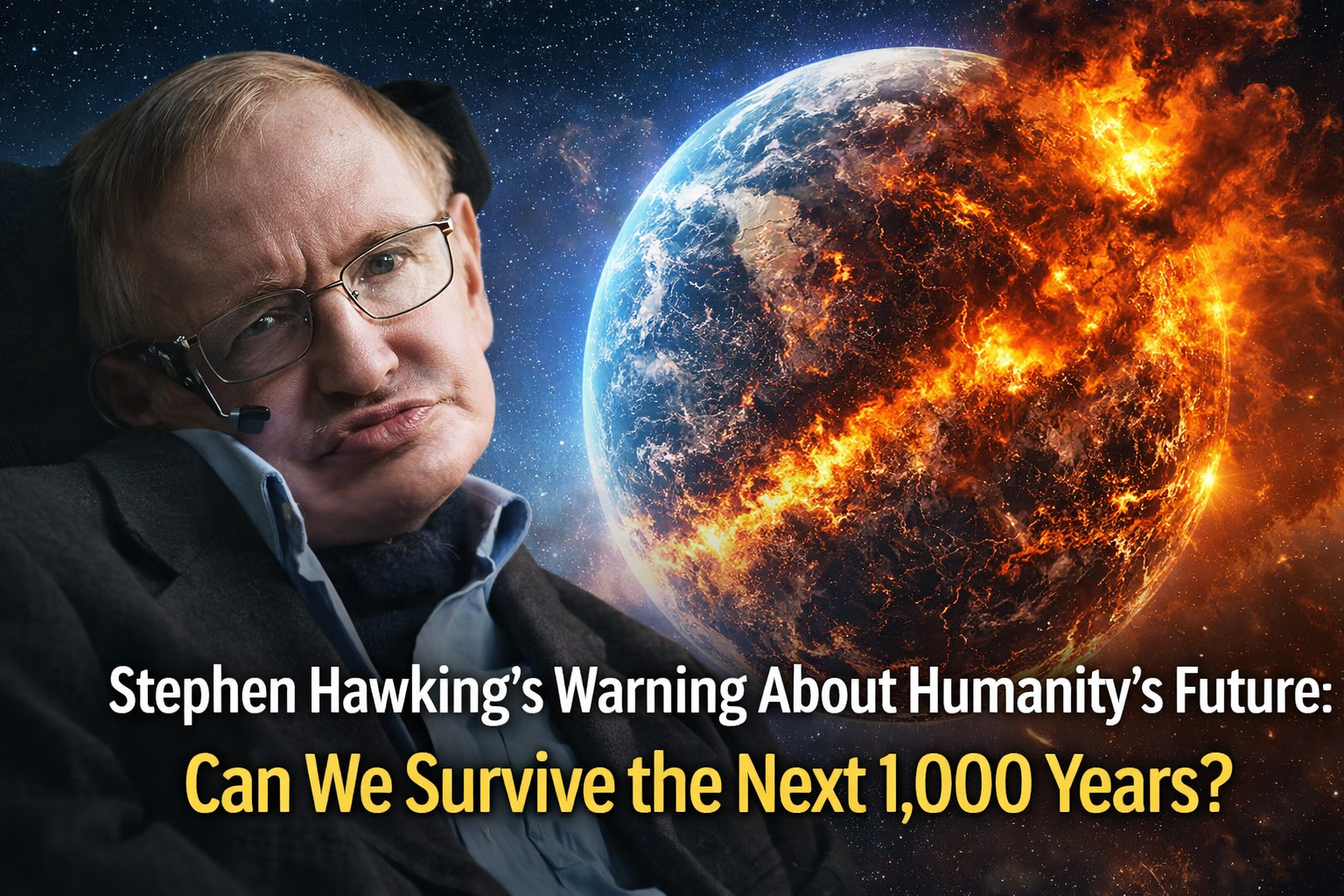
Introduction: A Genius Who Looked Beyond the Stars
Few scientists have captured the public imagination like Stephen Hawking. Known for his groundbreaking work in cosmology, black holes, and the nature of the universe, Hawking was not only a brilliant mind but also a visionary thinker deeply concerned about humanity’s future. Among his many profound statements, one stands out for its urgency and gravity: “I don’t think humanity will survive the next thousand years.”
This statement is not merely a pessimistic remark—it reflects a calculated perspective based on scientific reasoning, technological trends, and global risks. In this article, we explore what Hawking meant, the threats he identified, and why his warning continues to resonate in today’s world.
Who Was Stephen Hawking?

A Brief Overview of His Legacy
Stephen Hawking was born in 1942 and became one of the most influential physicists of the modern era. Despite being diagnosed with Amyotrophic Lateral Sclerosis at the age of 21, he defied expectations and lived for more than five decades with the condition.
Hawking’s contributions include:
- The theory of Hawking radiation
- Advancements in the understanding of Black Holes
- Work on the origins of the universe and the Big Bang Theory
His bestselling book, A Brief History of Time, brought complex scientific ideas to millions of readers worldwide.Understanding the Quote: What Did Hawking Mean?
When Hawking said humanity might not survive the next thousand years, he wasn’t making a prophecy—he was issuing a warning. His statement reflects a probabilistic outlook: given enough time, the chances of catastrophic events increase.
Not Doom, But a Call to Action
Hawking believed that while extinction is not guaranteed, the risks are significant enough that humanity must take proactive steps. His warning was meant to encourage:
- Scientific innovation
- Global cooperation
- Long-term thinking
The Major Threats Identified by Stephen Hawking
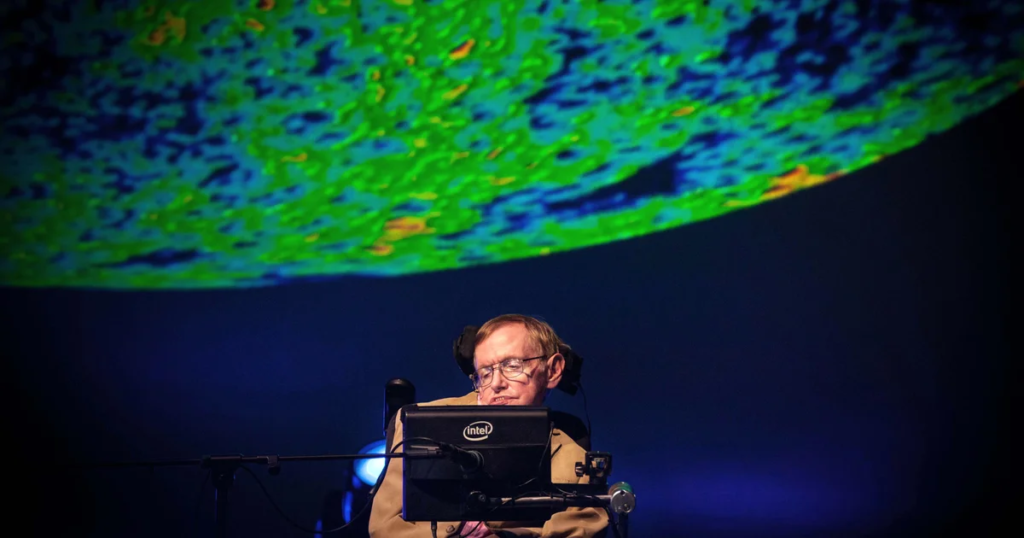
1. Nuclear War: A Persistent Danger
One of the most immediate threats Hawking frequently mentioned was nuclear conflict. Despite decades since the Cold War, nuclear weapons remain a global concern.
Why It Matters
- Thousands of nuclear warheads still exist
- Political tensions can escalate unpredictably
- Even a limited nuclear war could trigger a “nuclear winter”
Hawking feared that human error or geopolitical conflict could lead to irreversible consequences.. Climate Change and Environmental Collapse
Hawking was vocal about the dangers of Climate Change. He warned that unchecked environmental damage could make Earth uninhabitable.
Key Concerns
- Rising global temperatures
- Melting ice caps and sea-level rise
- Extreme weather events
He even suggested that Earth could become similar to Venus if greenhouse gas emissions continue unchecked.
3. Artificial Intelligence: A Double-Edged Sword
The rise of Artificial Intelligence was another major concern for Hawking.
Potential Risks
- Loss of human control over advanced AI systems
- Autonomous weapons
- Economic and social disruption
While AI offers enormous benefits, Hawking warned that without proper regulation, it could surpass human intelligence and act in unpredictable ways.
4. Pandemics and Biological Threats
Hawking also highlighted the danger of global pandemics—both natural and engineered.
Lessons from Reality
Events like COVID-19 have shown how vulnerable humanity is to infectious diseases.
Future Risks
- Genetically engineered viruses
- Antibiotic-resistant bacteria
- Rapid global spread due to travel
5. Asteroid Impacts and Cosmic Threats
Although less frequent, cosmic events pose existential risks.
Examples
- Asteroid collisions
- Gamma-ray bursts
- Solar flares
The Chicxulub Impact that wiped out the dinosaurs is a reminder of nature’s destructive power.
Hawking’s Solution: Leaving Earth
The Case for Space Colonization
Hawking strongly believed that humanity’s survival depends on becoming a multi-planetary species.
Why Space Matters
- Reduces reliance on Earth
- Provides a backup for civilization
- Expands human knowledge and resources
He often advocated for missions to Mars and beyond.
The Role of Space Agencies
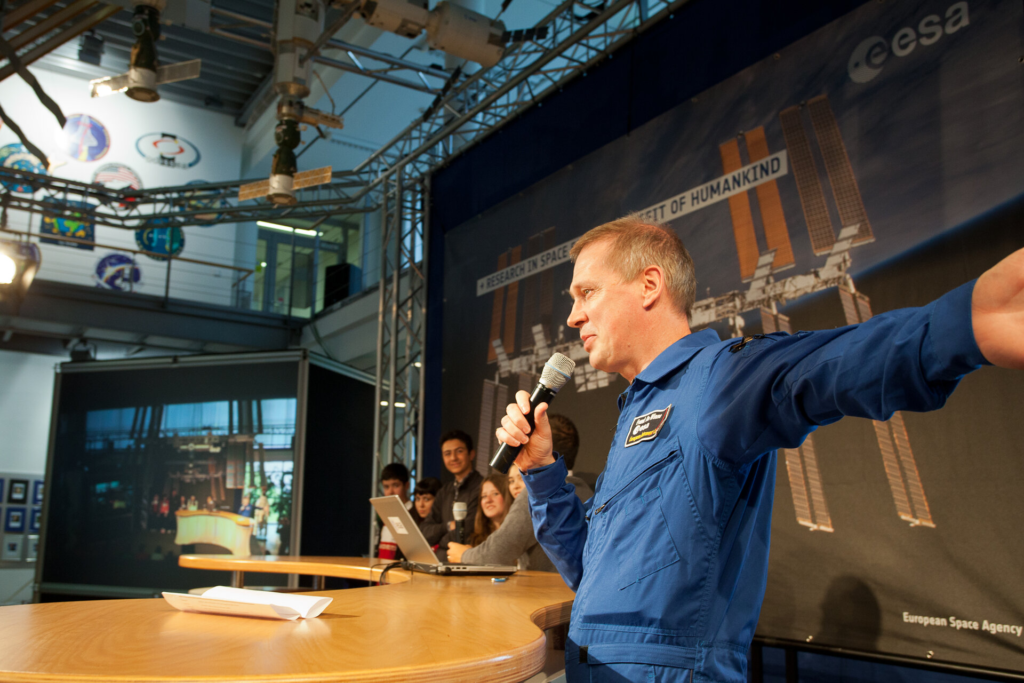
Organizations like NASA and SpaceX are already working toward this goal.
Key Initiatives
- Mars colonization plans
- Reusable rockets
- Deep-space exploration
Hawking saw these efforts as essential, not optional.
Technology: The Problem and the Solution
Innovation as a Survival Tool
While technology introduces risks, it also provides solutions.
Examples
- Renewable energy to combat climate change
- AI for medical advancements
- Space technology for planetary defense
Hawking believed that responsible innovation is the key to survival.
The Importance of Ethics in Science
Technological progress must be guided by ethical considerations.
Key Principles
- Global cooperation
- Transparency
- Regulation
Without these, advancements could do more harm than good.
Humanity’s Strength: Adaptability
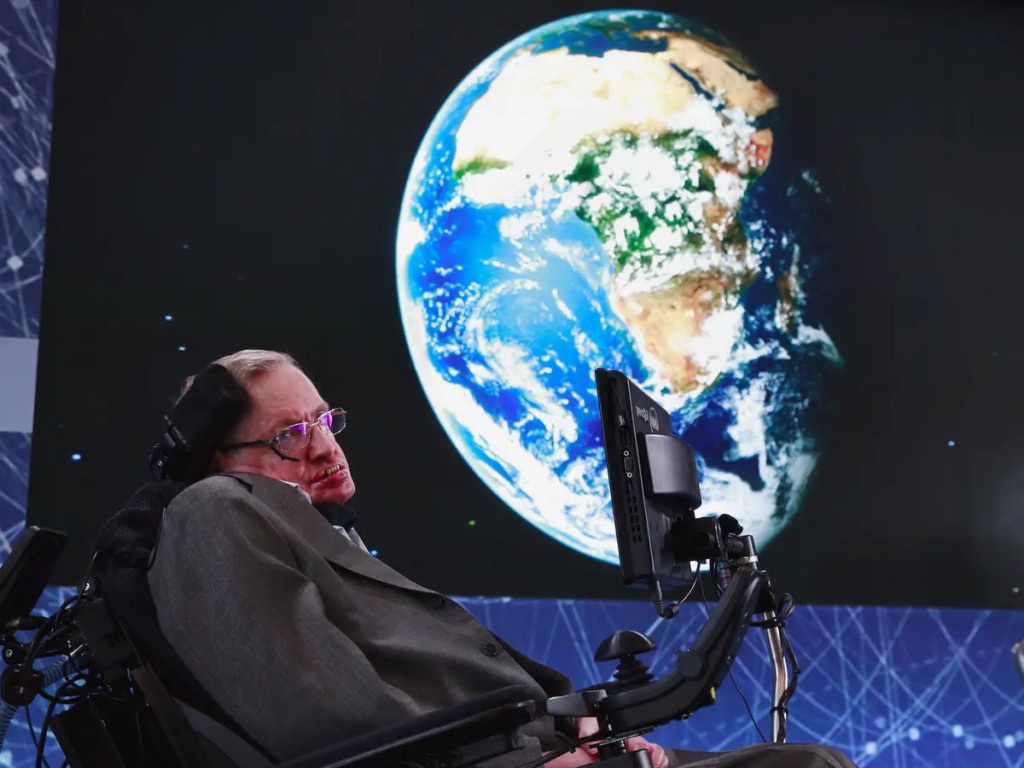
Learning from the Past
Human history is filled with challenges—from pandemics to wars—and yet civilization has endured.
Key Traits
- Resilience
- Innovation
- Cooperation
Hawking’s warning does not dismiss these strengths—it emphasizes the need to use them wisely.
Critics and Alternative Perspectives
Is Hawking Too Pessimistic?
Some experts argue that Hawking’s timeline is overly dramatic.
Counterarguments
- Technological progress is accelerating
- Global awareness of risks is increasing
- International cooperation is improving
However, even critics agree that the risks he identified are real.
Why Hawking’s Warning Still Matters Today
A Wake-Up Call for the Modern World
In an era of rapid technological advancement and global challenges, Hawking’s message is more relevant than ever.
Current Issues
- Climate crises
- Geopolitical tensions
- AI development
His warning encourages long-term thinking in a short-term world.
What Can Humanity Do to Survive?
1. Invest in Science and Research
Funding innovation can help solve global problems and reduce risks.
2. Promote Global Cooperation
Challenges like climate change and pandemics require unified efforts.
3. Regulate Emerging Technologies
Ensuring safe development of AI and biotechnology is crucial.
4. Expand Space Exploration
Becoming a multi-planetary species may be humanity’s best chance for survival.
Conclusion: A Warning, Not a Prediction
Stephen Hawking did not claim that humanity’s extinction is inevitable. Instead, he highlighted the growing risks that come with technological advancement and environmental neglect.
His statement—“I don’t think humanity will survive the next thousand years”—should be seen as a challenge rather than a conclusion. It urges us to think beyond immediate concerns and consider the long-term future of our species.
The question is not whether Hawking was right or wrong. The real question is: What are we doing today to ensure he was wrong?
FAQ
Who was Stephen Hawking?
Stephen Hawking was a world-renowned physicist and cosmologist known for his work on Black Holes and Hawking radiation. Despite living with Amyotrophic Lateral Sclerosis, he made groundbreaking contributions to science and became a global icon.
What did Stephen Hawking mean by saying humans may not survive the next 1,000 years?
Hawking’s statement was not a definite prediction but a warning. He believed that increasing global risks—such as war, environmental damage, and technological threats—could make long-term survival uncertain unless humanity takes action.
What are the biggest threats to humanity according to Hawking?
Hawking identified several major risks, including:
Nuclear war
Climate Change
Advanced Artificial Intelligence
Global pandemics like COVID-19
Asteroid impacts and cosmic disasters
Why did Hawking emphasize space exploration?
Hawking believed that relying solely on Earth is risky. Expanding to other planets like Mars could ensure the survival of humanity in case of global catastrophes.
Is humanity really at risk of extinction?
While extinction is not certain, scientists agree that long-term risks exist. Over centuries, the probability of catastrophic events increases, making preparation and prevention essential.
How does artificial intelligence pose a threat?
Artificial Intelligence could become dangerous if it surpasses human intelligence and operates without proper regulation. Hawking warned that uncontrolled AI development might lead to unintended consequences.
What role does climate change play in this prediction?
Climate Change could lead to extreme environmental conditions, making parts of Earth uninhabitable. Hawking even suggested Earth could resemble Venus if global warming continues unchecked