
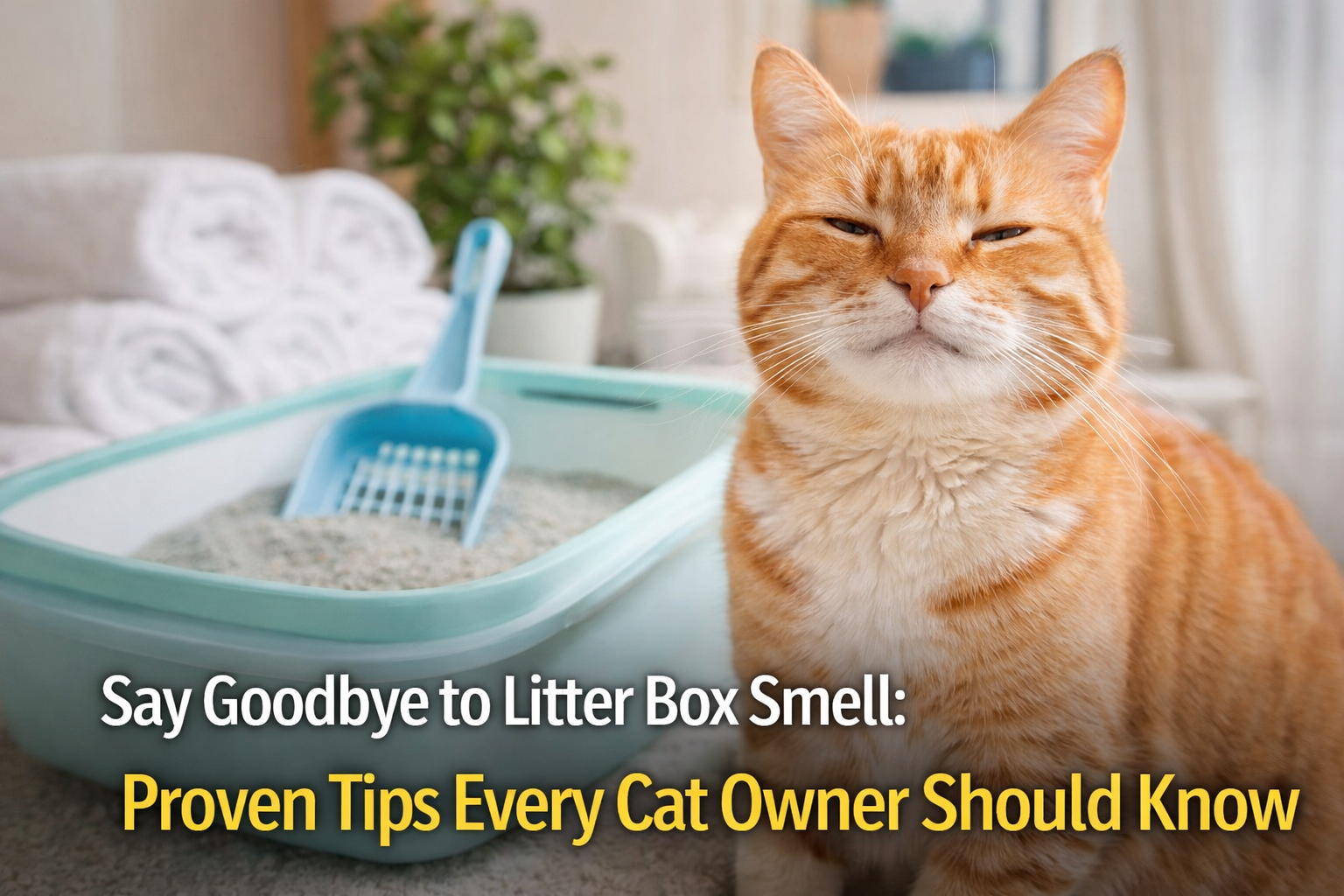
Introduction: Why a Fresh Litter Box Matters More Than You Think
If you’re a cat owner, you already know that maintaining a clean litter box is essential. But what many people don’t realize is that a poorly maintained litter box can lead to serious issues—not just unpleasant odors, but also behavioral problems and even health concerns for your cat.
The “shocking secret” isn’t a single magic product or trick. Instead, it’s a combination of smart habits, proper materials, and understanding your cat’s natural instincts. Once you learn these strategies, keeping your litter box fresh becomes effortless.
Understanding Your Cat’s Natural Behavior
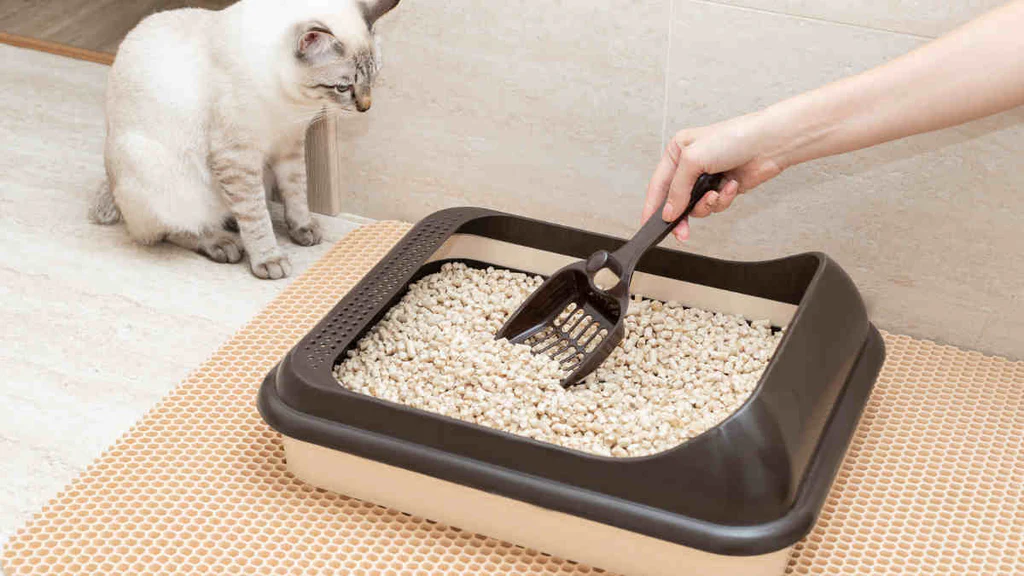
Why Cats Are Naturally Clean Animals
Cats are instinctively clean creatures. In the wild, they bury their waste to avoid predators and keep their environment hygienic. Your pet cat still carries these instincts, which is why a dirty litter box can cause stress.
How a Dirty Litter Box Affects Cats
When a litter box isn’t fresh, cats may:
- Avoid using it altogether
- Develop anxiety or stress
- Start eliminating outside the box
This is often mistaken for “bad behavior,” but it’s usually a signal that something is wrong with their environment.
The Real Secret: Consistency Over Everything
Daily Cleaning Is Non-Negotiable
The biggest secret to a fresh litter box is simple: consistency. Scooping waste daily (or even twice a day) prevents odor buildup and keeps the environment pleasant for your cat.
Weekly Deep Cleaning Routine
Even with daily scooping, a full clean is necessary:
- Empty the litter completely
- Wash the box with mild soap
- Dry thoroughly before refilling
This resets the box and removes lingering bacteria and smells.
Choosing the Right Litter
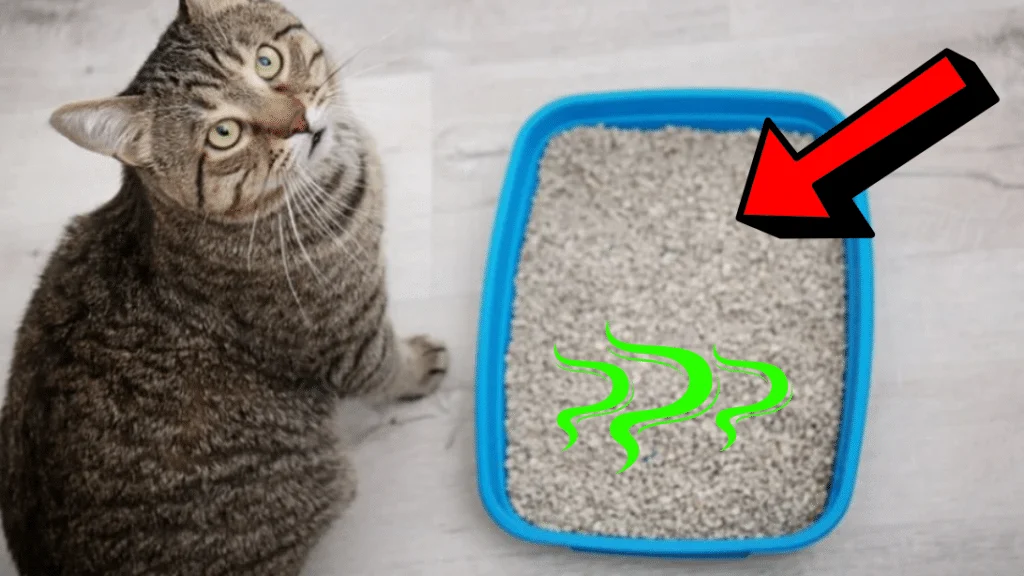
Types of Cat Litter Explained
Not all litter is created equal. Here are the most common types:
Clumping Litter
- Easy to scoop
- Controls odor effectively
- Popular among most cat owners
Non-Clumping Litter
- Absorbs moisture but doesn’t form clumps
- Requires more frequent replacement
Natural and Eco-Friendly Options
- Made from corn, wood, or recycled paper
- Lower dust and environmentally friendly
What to Look for in Quality Litter
When selecting litter, consider:
- Strong odor control
- Low dust levels
- Comfortable texture for your cat
The right litter can dramatically improve freshness.
Location Matters: Where You Place the Litter Box
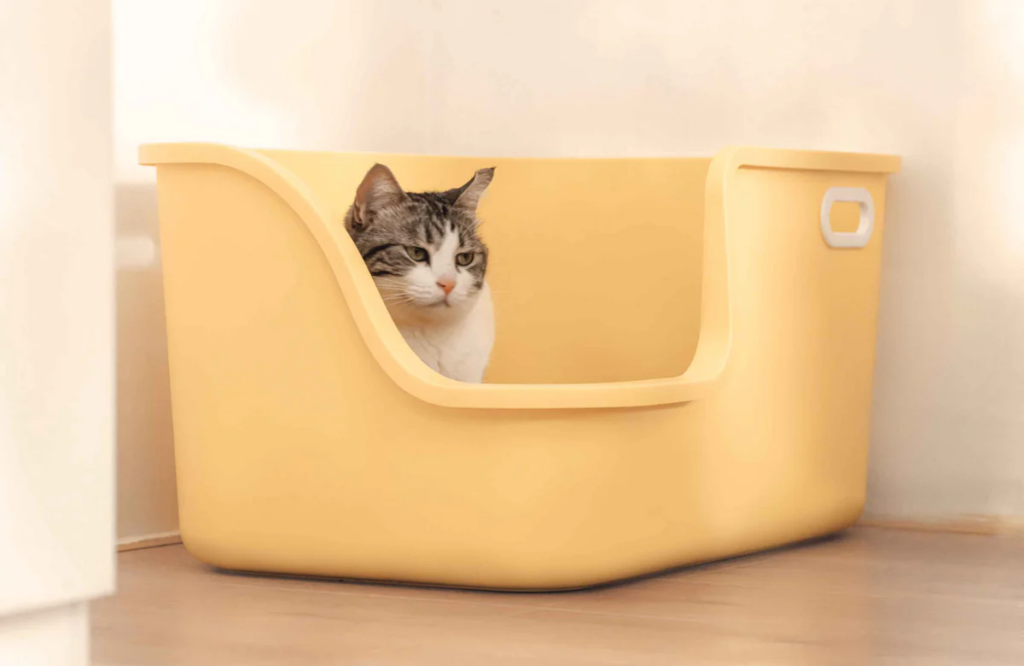
Ideal Placement Tips
A poorly placed litter box can lead to odor problems and unhappy cats.
Best practices include:
- Quiet, low-traffic areas
- Away from food and water bowls
- Easy access for your cat
Avoid These Common Mistakes
- Placing it in noisy areas
- Keeping it too close to feeding areas
- Hiding it in hard-to-reach spots
The Power of the Right Litter Box Setup
Open vs. Covered Litter Boxes
Each type has pros and cons:
Open Boxes:
- Better airflow
- Easier to clean
- Less odor buildup
Covered Boxes:
- More privacy for cats
- Helps contain litter scatter
- May trap odors if not cleaned regularly
Size and Quantity Matter
A good rule is:
One litter box per cat, plus one extra.
Also, ensure the box is large enough for your cat to move comfortably.
Odor Control Hacks That Actually Work
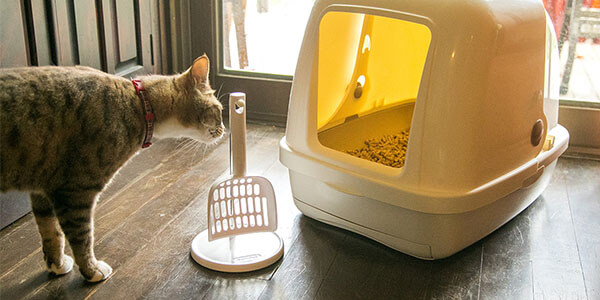
Baking Soda Trick
Adding a thin layer of baking soda under the litter helps neutralize odors naturally.
Activated Charcoal
This powerful odor absorber can be placed near the litter box to reduce smells.
Litter Deodorizers
Specialized products can enhance freshness, but choose pet-safe options.
Hygiene Beyond the Box
Keep the Surrounding Area Clean
Odors don’t just come from the litter itself. Clean the area around the box regularly to prevent buildup.
Use Mats to Trap Litter
Litter mats help catch particles from your cat’s paws, reducing mess and smell.
How Diet Affects Litter Box Smell
The Surprising Connection
What your cat eats directly impacts the smell of their waste.
Tips for Better Odor Control
- Feed high-quality cat food
- Ensure proper hydration
- Avoid sudden diet changes
A healthier diet often results in less odor.
Common Mistakes Cat Owners Make
Overfilling or Underfilling the Box
Too much litter can waste material, while too little reduces effectiveness. Aim for about 2–3 inches of depth.
Ignoring Your Cat’s Preferences
Cats can be picky about:
- Litter texture
- Box type
- Location
Ignoring these preferences can lead to problems.
Signs Your Litter Box Needs Attention
Watch for these warning signs:
- Strong, persistent odors
- Your cat avoiding the box
- Increased mess around the area
These indicate it’s time for a deep clean or adjustment.
Advanced Tips for Multi-Cat Homes
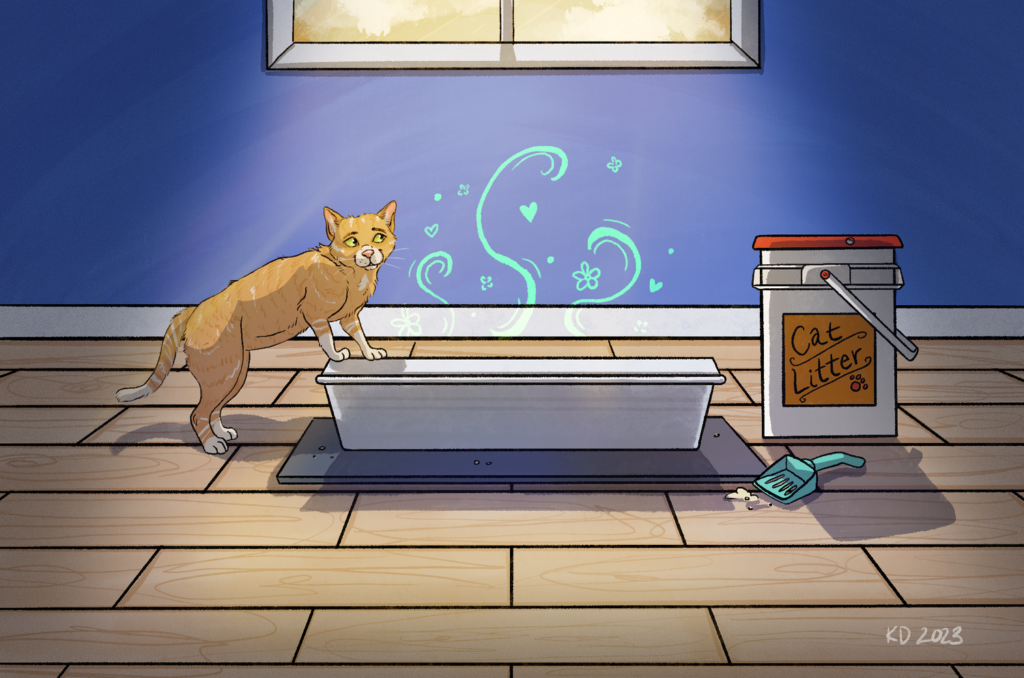
Preventing Odor Overload
With multiple cats, maintenance becomes even more important.
Strategies include:
- More frequent cleaning
- Multiple boxes in different locations
- Using high-quality litter
Reducing Territorial Issues
Cats may avoid shared boxes if they feel threatened. Providing enough space and resources helps prevent this.
The Role of Technology
Self-Cleaning Litter Boxes
Modern solutions can make life easier by automatically removing waste.
Air Purifiers
Placing an air purifier nearby can significantly improve air quality and reduce odor.
Eco-Friendly Litter Box Practices
Sustainable Litter Options
Choose biodegradable litter to reduce environmental impact.
Responsible Disposal
Follow local guidelines for disposing of used litter safely.
Final Thoughts: The Real Secret Revealed
So, what’s the shocking secret to keeping your cat’s litter box fresh?
It’s not a single trick—it’s a system:
- Consistent cleaning
- The right litter
- Proper placement
- Understanding your cat’s needs
When you combine these elements, you create a clean, odor-free environment that both you and your cat will appreciate.
Conclusion: A Happier Home for You and Your Cat
A fresh litter box isn’t just about eliminating odor—it’s about improving your cat’s quality of life and maintaining harmony in your home.
By following these simple yet powerful strategies, you’ll not only solve one of the most common pet-owner challenges but also create a healthier, happier space for your feline companion.
FAQs
How often should I clean my cat’s litter box?
You should scoop the litter box at least once a day, and ideally twice if you have multiple cats. A full deep cleaning (emptying and washing the box) should be done once a week to maintain freshness and hygiene.
What is the best type of litter for odor control?
Clumping litter is generally the best for controlling odor because it traps moisture and waste effectively. However, natural options like wood or corn-based litter can also work well if they have good absorption properties.
Can baking soda help keep the litter box fresh?
Yes, baking soda is a safe and natural deodorizer. Sprinkling a thin layer at the bottom of the litter box can help neutralize odors without harming your cat.
How many litter boxes do I need for multiple cats?
The general rule is: one litter box per cat, plus one extra. This helps prevent overcrowding, reduces odor buildup, and avoids territorial issues.