
Introduction: A New COVID-19 Variant Raises Fresh Questions
Critical Warning: More than five years after the global outbreak of COVID-19, scientists and public health authorities continue to monitor emerging variants of the virus responsible for the pandemic. The virus, known as SARS-CoV-2, constantly evolves through mutations, leading to the appearance of new variants that may behave differently from earlier strains.
One of the variants gaining attention in discussions online and within some health circles is the Cicada Variant (BA.3.2), a sub-lineage associated with the Omicron variant family. While many variants appear and fade without major consequences, researchers closely analyze each new strain to understand whether it spreads faster, causes different symptoms, or reduces vaccine effectiveness.

This comprehensive guide explains what the BA.3.2 variant is, how it spreads, its potential symptoms, and the best strategies to protect yourself and your community.
What Is the COVID-19 Cicada Variant (BA.3.2)?
Understanding the BA.3.2 Subvariant
The BA.3.2 variant is part of the Omicron lineage, which first emerged in late 2021 and rapidly spread across the globe. Omicron itself is one of the most heavily mutated forms of SARS-CoV-2, leading to increased transmissibility compared to earlier strains.
Variants such as BA.3.2 appear when the virus accumulates genetic mutations over time. These mutations can occur during replication when the virus copies itself inside human cells.

The “Cicada” nickname has appeared in media discussions and online conversations, but the official scientific naming system follows the Pango lineage classification, which assigns labels like BA.1, BA.2, BA.3, and their sublineages.
Why New COVID Variants Continue to Appear
Viral Mutation Is a Natural Process

Viruses constantly mutate as they spread among populations. RNA viruses like SARS-CoV-2 are particularly prone to mutation.
Each time the virus infects a person, it replicates billions of times, increasing the chances of genetic changes.

Some mutations have little effect, while others may influence:
- Transmission rate
- Immune escape capability
- Severity of symptoms
- Vaccine effectiveness
Most mutations do not significantly alter the virus, but occasionally a variant gains advantages that allow it to spread more widely.
Key Characteristics of the BA.3.2 Variant
How BA.3.2 Differs From Earlier Omicron Strains
Early research and surveillance suggest that BA.3.2 shares many genetic traits with other Omicron subvariants.
Possible characteristics include:
Increased Transmissibility
Like many Omicron variants, BA.3.2 may spread quickly between individuals.
Similar Disease Severity
Most Omicron-related strains generally cause milder illness compared to earlier variants such as Delta variant, although severe cases can still occur.
Mutations in the Spike Protein
Mutations in the spike protein—the part of the virus that attaches to human cells—may help the virus evade some immune responses.
Symptoms of the COVID-19 Cicada Variant
Recognizing the Signs of Infection
Symptoms linked to BA.3.2 appear to be similar to those associated with other Omicron subvariants.
Common symptoms include:
1. Sore Throat

A scratchy or painful throat is frequently reported with Omicron infections.
2. Runny or Stuffy Nose
Cold-like nasal symptoms are very common.
3. Persistent Cough
A dry cough remains a typical symptom.
4. Fatigue
Many infected individuals report tiredness or lack of energy.
5. Fever or Chills
Some people experience elevated temperature and body aches.
6. Headache
Headaches are often reported during infection.
7. Muscle Pain
Body aches can accompany fever or fatigue.
8. Loss of Taste or Smell
Although less common with Omicron variants, this symptom can still occur.
Severe symptoms may include:
- Difficulty breathing
- Chest pain
- Persistent confusion
- Bluish lips or face
Anyone experiencing severe symptoms should seek medical care immediately.
How the Cicada Variant Spreads
Transmission Methods
The BA.3.2 variant spreads in the same ways as other strains of COVID-19.
Transmission typically occurs through:
Respiratory Droplets
When infected individuals cough, sneeze, talk, or breathe, they release droplets containing virus particles.
Aerosol Transmission
Tiny airborne particles can linger in poorly ventilated spaces.
Close Contact
Physical proximity increases the likelihood of infection.
Contaminated Surfaces
While less common, the virus may spread through touching contaminated surfaces and then touching the face.
Indoor environments with poor ventilation significantly increase transmission risk.
Who Is Most at Risk?
Vulnerable Groups
Although many infections are mild, certain individuals remain at higher risk for severe disease.
These groups include:
- Older adults
- Individuals with weakened immune systems
- People with chronic illnesses
- Unvaccinated individuals
Conditions that increase risk include:
- Heart disease
- Diabetes
- Lung disease
- Obesity
Health authorities emphasize the importance of protective measures for vulnerable populations.
The Role of Vaccination
Vaccines Still Provide Protection
Vaccination remains one of the most effective ways to prevent severe illness from COVID-19.
Global health organizations such as the World Health Organization and Centers for Disease Control and Prevention recommend staying up to date with COVID vaccinations.
Vaccines help by:
- Reducing severe illness
- Lowering hospitalization risk
- Decreasing mortality rates
Even when variants partially evade immune protection, vaccines still provide strong defense against severe outcomes.
Booster Shots and Variant Protection
Why Boosters Are Important
Booster doses strengthen the immune response and restore declining immunity over time.
Health experts recommend booster shots particularly for:
- Older adults
- Healthcare workers
- Individuals with chronic conditions
Booster doses improve protection against emerging variants, including Omicron subvariants.
Testing for the BA.3.2 Variant
How COVID Testing Works
Standard COVID diagnostic tests can detect infection with the virus regardless of variant.
Testing options include:
PCR Tests
Highly accurate laboratory tests that detect viral genetic material.
Rapid Antigen Tests
Quick home tests that provide results within minutes.
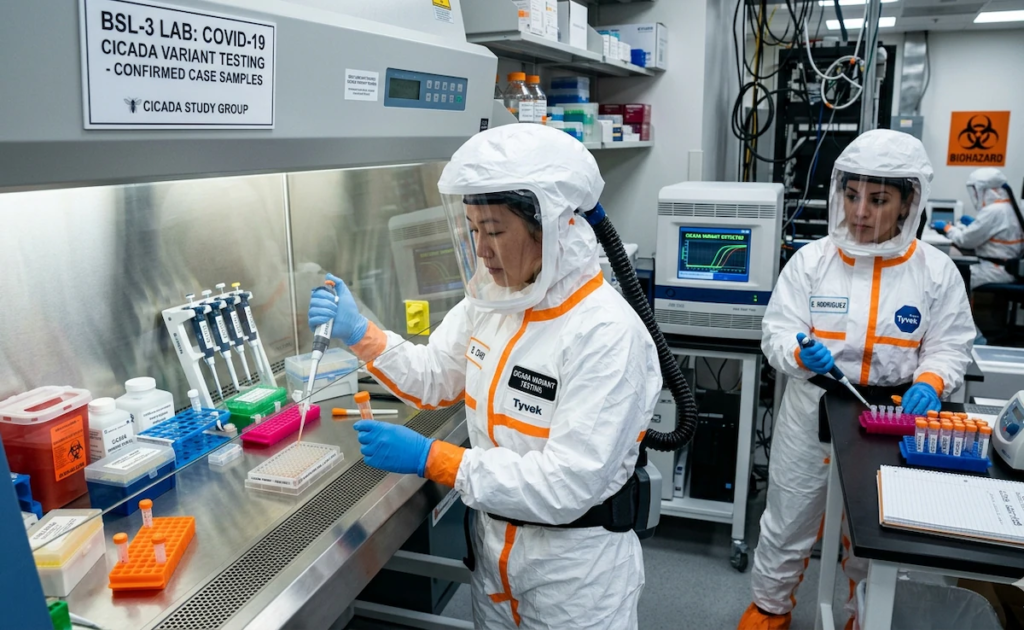
While these tests confirm infection, specialized genomic sequencing is required to determine the exact variant.
Global Surveillance of COVID Variants
How Scientists Track Variants
Health agencies around the world conduct genomic surveillance to monitor virus evolution.
Researchers collect virus samples and analyze their genetic sequences.
This data helps identify:
- New variants
- Mutation patterns
- Spread across regions
Organizations such as the World Health Organization coordinate global surveillance efforts.
Preventing Infection
Practical Protection Strategies
Preventive measures remain important for reducing transmission.
Key protective actions include:
Vaccination
Stay current with recommended doses.
Mask Wearing
Masks can reduce virus transmission in crowded spaces.
Hand Hygiene
Frequent hand washing helps prevent infection.
Ventilation
Improved airflow reduces airborne virus particles.
Staying Home When Sick
Isolation prevents spreading infection to others.
Long COVID and Variant Concerns
Ongoing Health Effects
Some individuals experience long-term symptoms after recovering from COVID-19, often referred to as Long COVID.
Common long-term symptoms include:
- Persistent fatigue
- Brain fog
- Shortness of breath
- Sleep disturbances
Scientists continue researching how different variants affect the risk of long COVID.
The Future of COVID Variants
Will New Variants Continue to Emerge?
Most experts believe SARS-CoV-2 will continue evolving as it circulates globally.
However, increased immunity from vaccination and prior infection may reduce the severity of future outbreaks.
Public health strategies now focus on:
- Monitoring variants
- Protecting vulnerable populations
- Maintaining vaccination coverage
How Governments and Health Agencies Respond
Public Health Preparedness
Health authorities maintain surveillance systems to detect concerning variants early.
Responses may include:
- Travel advisories
- Updated vaccination guidance
- Public health campaigns
These measures help prevent large-scale outbreaks.
Misinformation and Variant Naming
Why Accurate Information Matters
During the pandemic, misinformation about new variants spread widely on social media.
Experts encourage the public to rely on trusted sources such as:
- National health agencies
- The World Health Organization
- Medical professionals
Accurate information is critical for preventing unnecessary panic and ensuring appropriate responses.
Protecting Communities in a Post-Pandemic World
Living With COVID-19
Many countries are transitioning toward managing COVID-19 as an endemic disease.
This means the virus will continue circulating but with manageable impact.
Key strategies include:
- Vaccination programs
- Improved healthcare preparedness
- Public awareness campaigns
Communities can reduce risk while maintaining normal daily activities.
Conclusion: Staying Prepared for Emerging Variants
The emergence of variants like BA.3.2 highlights the evolving nature of the virus responsible for COVID-19. While new strains can raise concerns, ongoing scientific research and global health cooperation provide valuable tools for managing the pandemic.
Vaccination, testing, and public health awareness remain essential defenses against the virus. As scientists continue to study variants, individuals can protect themselves and their communities by following trusted health guidance.
Ultimately, understanding variants such as the Cicada strain helps society remain informed and prepared for the future of infectious disease management.
FAQs
1. What is the COVID-19 Cicada variant (BA.3.2)?
The Cicada variant, also referred to as BA.3.2, is a sub-lineage of the Omicron variant of COVID-19 caused by the virus SARS-CoV-2. Like other Omicron subvariants, it contains genetic mutations that may affect how easily the virus spreads and how the immune system responds.
2. What are the symptoms of the BA.3.2 Cicada variant?
Symptoms associated with the BA.3.2 variant are generally similar to other Omicron infections. Common symptoms include sore throat, runny nose, cough, fatigue, headache, mild fever, and body aches. In some cases, people may also experience loss of taste or smell.
3. Is the Cicada variant more contagious than previous COVID variants?
Early observations suggest the BA.3.2 variant may spread quickly like other Omicron strains, but researchers continue studying its transmission patterns. Variants often become dominant if they spread more efficiently among populations.