
Introduction
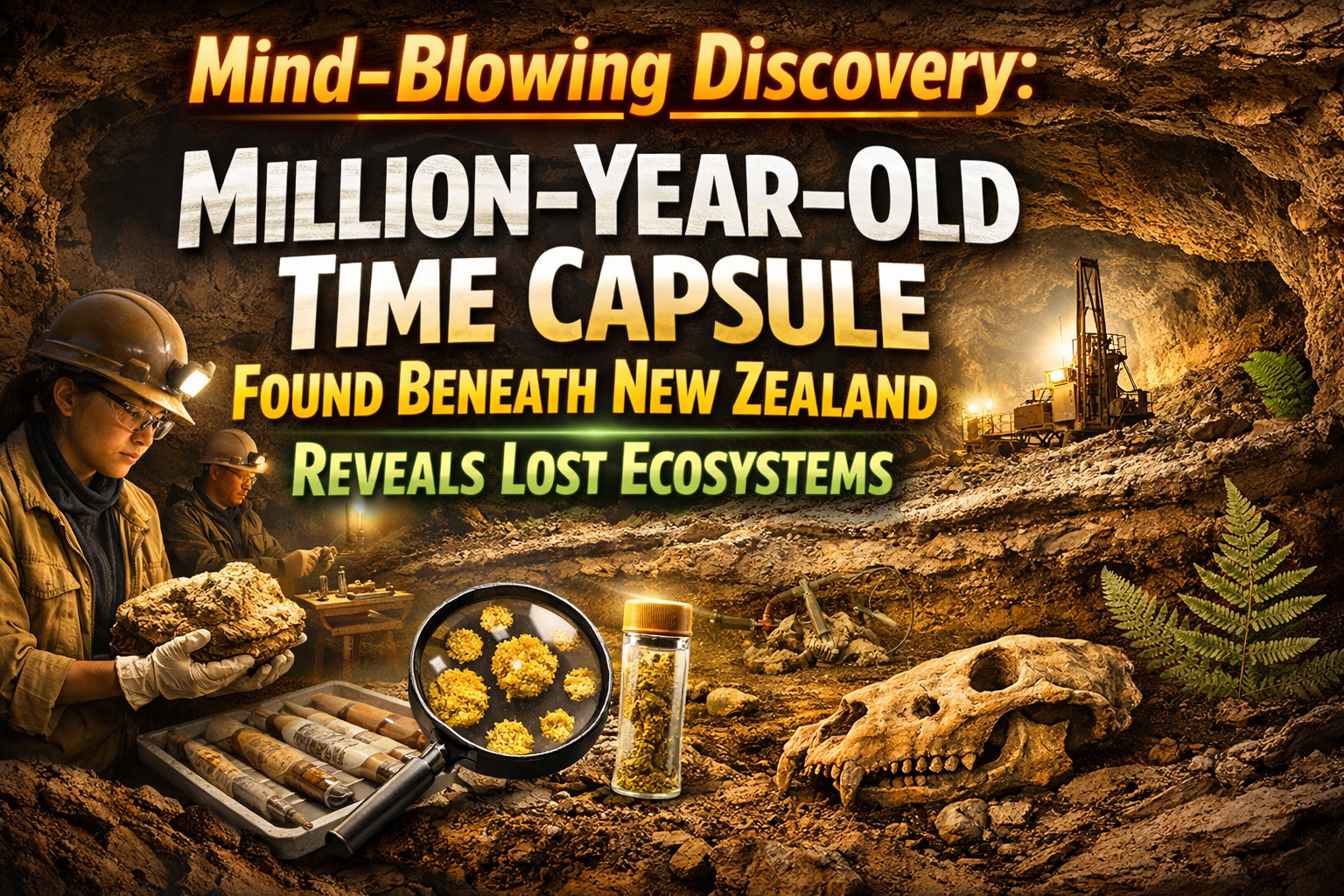
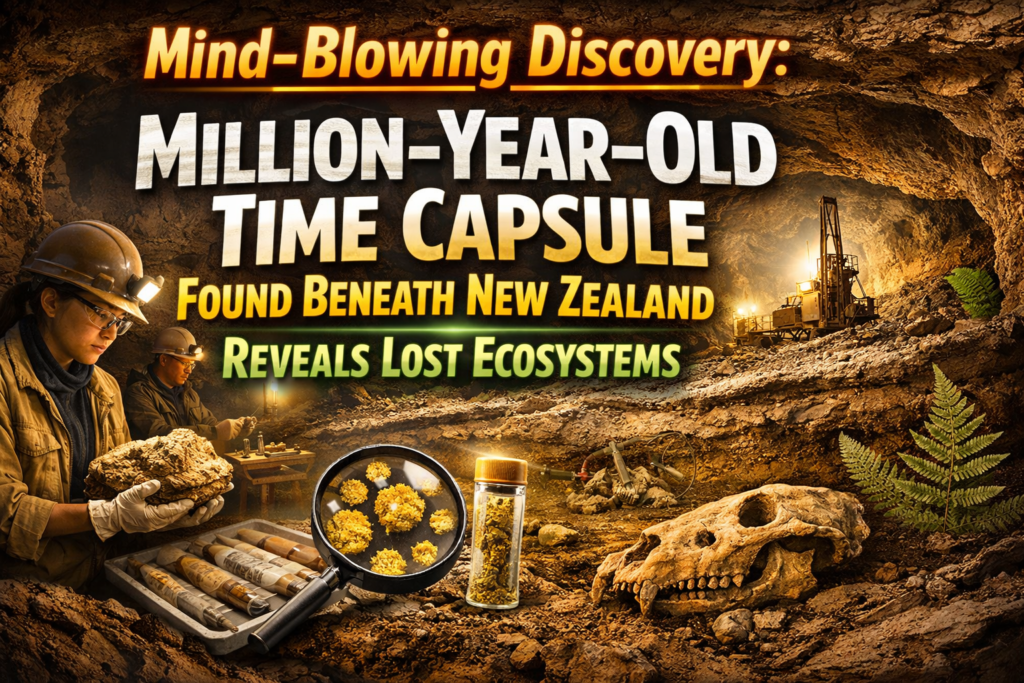
Ancient Secrets Revealed: In a remarkable scientific discovery, researchers have uncovered what appears to be a natural time capsule buried deep beneath the Earth’s surface. Located beneath layers of sediment in New Zealand, this hidden archive contains preserved evidence of ecosystems that existed more than one million years ago.
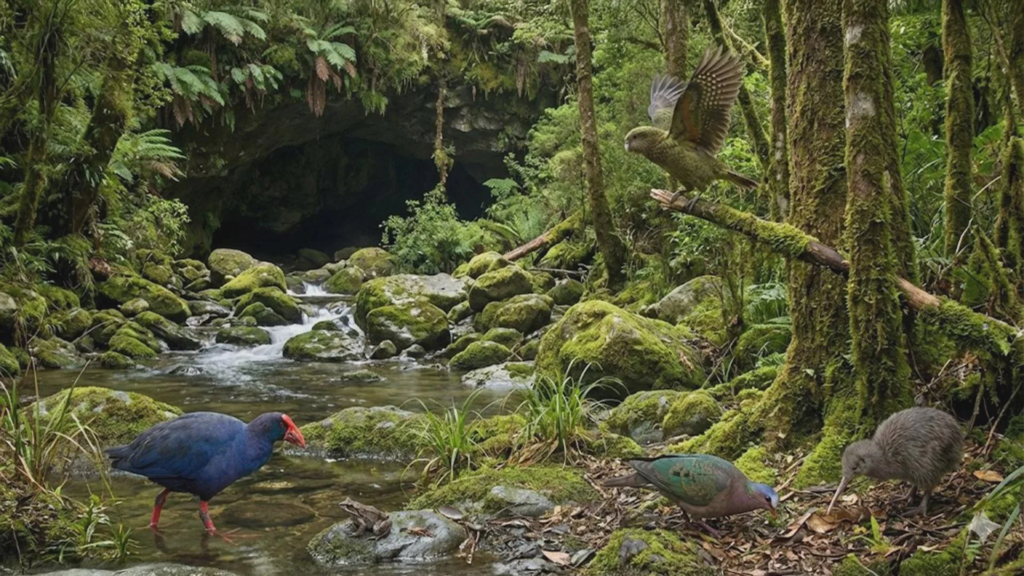
The discovery is providing scientists with a rare opportunity to study ancient environments and biodiversity in extraordinary detail. By examining preserved pollen, plant fragments, soil layers, and microscopic organisms, researchers are beginning to reconstruct ecosystems that thrived long before modern humans walked the Earth.

Beyond revealing secrets of the distant past, the findings may also help scientists better understand how ecosystems respond to environmental shifts and climate change. This ancient record could offer valuable insights into the future of our planet.
The Discovery Beneath New Zealand’s Surface
How Researchers Found the Ancient Time Capsule
The discovery emerged from a deep scientific drilling project aimed at studying the geological history of New Zealand.
Scientists working with the geoscience research organization GNS Science drilled into deep sediment layers that had accumulated over hundreds of thousands of years. Their goal was to analyze how environmental conditions had changed throughout Earth’s history.

During the drilling process, the research team recovered sediment cores that contained remarkably well-preserved biological material. These cores revealed traces of ancient life that had remained sealed underground for more than a million years.
The samples included:
- Fossilized pollen grains
- Plant fragments and organic matter
- Ancient microorganisms
- Insect remains
- Chemical markers preserved in soil layers
Together, these elements form a natural environmental archive, allowing scientists to study prehistoric ecosystems in unprecedented detail.
Why This Discovery Is So Significant
A Complete Snapshot of an Ancient Ecosystem

Many fossil discoveries reveal the remains of individual organisms such as bones or shells. However, this discovery is different because it captures an entire ecosystem preserved in time.
The sediment layers allow researchers to analyze multiple environmental components simultaneously, including:
- Plant diversity
- Microbial life
- Climate conditions
- Soil chemistry
- Environmental changes over thousands of years
This comprehensive record provides scientists with a clearer picture of how ancient ecosystems functioned.
Understanding Earth’s Geological Past
The discovery also helps scientists study major environmental transitions in Earth’s history, particularly those that occurred during the Pleistocene epoch, a period characterized by dramatic climate shifts and repeated ice ages.
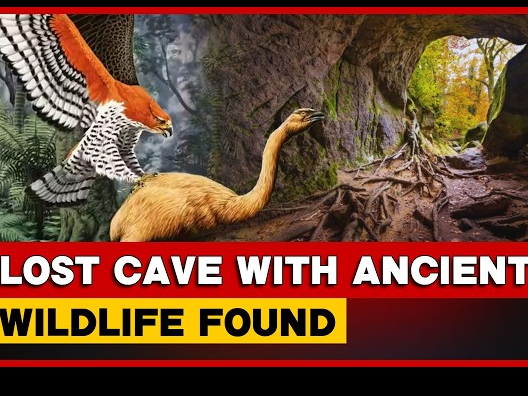
During this era, the planet experienced:
- Cycles of glacial and interglacial periods
- Changes in sea levels
- Shifts in plant and animal populations
By studying the newly discovered sediments, researchers can trace how ecosystems responded to these environmental changes.
Reconstructing Ancient Landscapes
A Very Different Environment From Today
The evidence recovered from the sediment cores suggests that ancient ecosystems in New Zealand were very different from the landscapes seen today.
Modern New Zealand is known for its diverse forests, dramatic mountains, and unique wildlife. However, the ancient environment appears to have supported ecosystems that looked quite different.
Scientists believe the prehistoric landscape included:
- Thick ancient forests
- Wetland habitats
- Diverse plant communities
- Rich microbial ecosystems
These ecosystems likely existed under warmer and more humid climate conditions compared with the present day.
Evidence of Extinct Plant Species
One of the most valuable clues preserved in the sediment cores is ancient pollen.
Pollen grains are incredibly durable and can remain preserved for millions of years. By examining pollen under powerful microscopes, scientists can identify plant species that existed long ago.
Analysis of these pollen samples has revealed evidence of:
- Ancient tree species
- Early flowering plants
- Vegetation types that no longer exist in the region
These discoveries suggest that ancient New Zealand ecosystems may have been more diverse than previously believed.
The Role of Ancient DNA in the Discovery
Environmental DNA Unlocks Hidden Life
One of the most innovative techniques used in this research involves the study of environmental DNA (eDNA).
Even when physical fossils are absent, tiny fragments of DNA from organisms can remain preserved in sediments. Scientists can extract and analyze this DNA to identify species that once lived in the area.
Through environmental DNA analysis, researchers can detect traces of:
- Ancient insects
- Microorganisms
- Plants
- Other forms of life that left no visible fossils
This technology is transforming the way scientists study ancient ecosystems.
Rebuilding Lost Biodiversity
DNA evidence from the sediment cores suggests that prehistoric ecosystems included species that no longer inhabit the region today.
These findings help scientists understand:
- How biodiversity has changed over time
- Which species survived environmental shifts
- Which species disappeared as climates evolved
Understanding these patterns can provide important insights into modern biodiversity loss.
Evidence of Ancient Climate Changes
Chemical Clues Within the Sediments
The sediment layers also contain chemical markers that reveal past climate conditions.
Scientists analyze elements such as:
- Carbon isotopes
- Oxygen isotopes
- Mineral composition
These chemical signals provide clues about ancient temperature levels, rainfall patterns, and vegetation changes.
The results suggest that prehistoric ecosystems experienced significant environmental fluctuations long before human influence on the planet.
Lessons for Modern Climate Science
By studying how ancient ecosystems adapted—or failed to adapt—to environmental change, scientists can better understand the potential impacts of today’s climate crisis.
Historical records show that while ecosystems can adapt to gradual changes, rapid environmental shifts may lead to biodiversity loss and ecosystem collapse.
This makes ancient records like the New Zealand time capsule incredibly valuable for modern environmental research.
Why New Zealand Is Ideal for Such Discoveries
Unique Biodiversity From Geographic Isolation
New Zealand has long been recognized as one of the world’s most biologically unique regions.
Because the islands have been isolated for millions of years, many species evolved independently without influence from other continents.
This isolation produced distinctive ecosystems containing plants and animals found nowhere else on Earth.
A Geological Treasure Trove
New Zealand’s dynamic geological history has preserved a rich record of past environments.
Scientists studying the region frequently discover:
- Fossil forests
- Marine sediment layers
- Volcanic ash deposits
- Ancient climate records
These geological archives make New Zealand a valuable natural laboratory for studying Earth’s environmental evolution.
Advanced Technology Behind the Discovery
Deep Core Drilling Methods
To obtain uncontaminated samples, scientists used specialized drilling equipment capable of extracting deep sediment cores.
Each core represents a chronological record of environmental history, with deeper layers representing older periods.
Researchers carefully analyze each layer to understand how ecosystems changed over time.
High-Precision Laboratory Tools
After extraction, the samples are analyzed using advanced scientific equipment, including:
- DNA sequencing systems
- Electron microscopes
- Isotope analysis tools
- High-resolution imaging technology
These tools allow scientists to examine microscopic evidence that reveals detailed information about ancient environments.
Future Research Opportunities
Searching for More Ancient Time Capsules
The discovery suggests that similar environmental archives may exist beneath other regions of the world.
Scientists are now planning additional drilling projects to search for hidden ecosystems preserved in ancient sediments.
Such discoveries could help fill important gaps in our understanding of Earth’s environmental past.
Expanding the Use of Environmental DNA
Environmental DNA is quickly becoming one of the most powerful tools in modern biological research.
Future studies may use this technology to explore:
- Long-extinct animal populations
- Ancient migration patterns
- Lost ecosystems across the globe
This could revolutionize how scientists study life throughout Earth’s history.
Why This Discovery Matters
Protecting Today’s Ecosystems
Studying ancient ecosystems provides valuable information about how natural systems respond to environmental stress.
This knowledge can help scientists develop better strategies to protect modern biodiversity and manage ecosystems facing climate change.
Understanding the Evolution of Life on Earth
The million-year-old environmental archive beneath New Zealand offers a rare opportunity to examine how life on Earth has evolved over vast periods of time.
By reconstructing ancient ecosystems, researchers can better understand the complex interactions between climate, biodiversity, and environmental stability.
Conclusion
The discovery of a **million-year-old natural time capsule beneath New Zealand is an extraordinary scientific achievement. Hidden deep within ancient sediments, this remarkable archive preserves traces of ecosystems that existed long before the modern world emerged.
Through cutting-edge technologies such as environmental DNA analysis and deep geological drilling, scientists are beginning to reconstruct prehistoric environments with remarkable accuracy.
These findings not only reveal the story of ancient life but also provide important lessons for understanding today’s rapidly changing planet. As research continues, this ancient time capsule may unlock even more secrets about Earth’s environmental history and help guide efforts to protect the fragile ecosystems that sustain life today.
FAQs
1. Where was the million-year-old time capsule discovered?
The ancient time capsule was discovered deep beneath the surface of New Zealand. Scientists uncovered it while drilling into sediment layers to study the region’s geological and environmental history.
2. What exactly is the time capsule found beneath New Zealand?
The time capsule refers to layers of sediment that preserved biological and environmental evidence from more than a million years ago. These layers contain fossilized pollen, plant fragments, microorganisms, and chemical signatures that allow scientists to reconstruct ancient ecosystems.
3. Which scientists or organizations were involved in the discovery?
The research involved scientists from GNS Science along with international researchers studying Earth’s geological history and ancient environmental conditions.Ancient Secrets Revealed: Scientists Discover Million-Year-Old Time Capsule Beneath New Zealand