Introduction: A High-Tech Battle Against Invasive Species
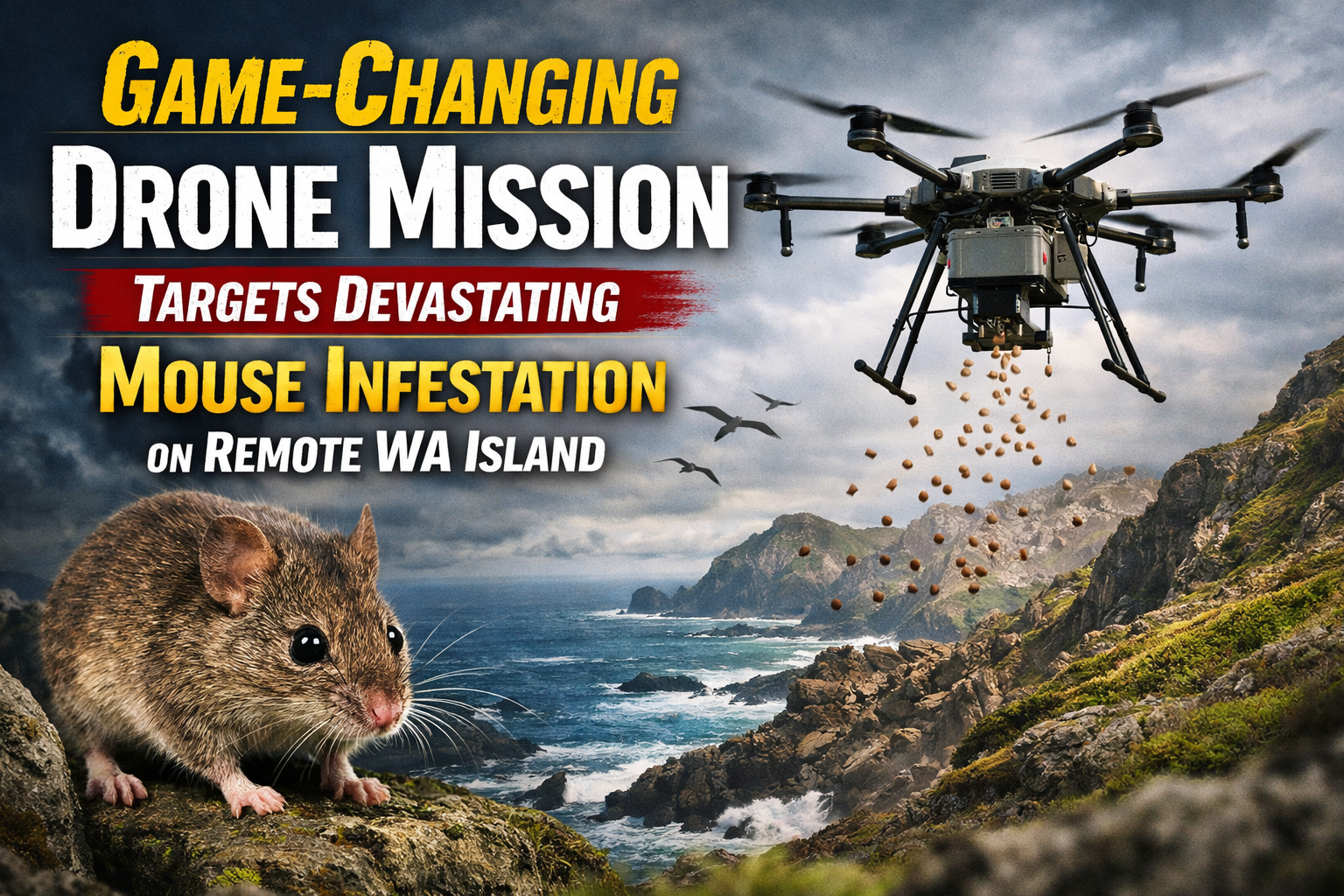
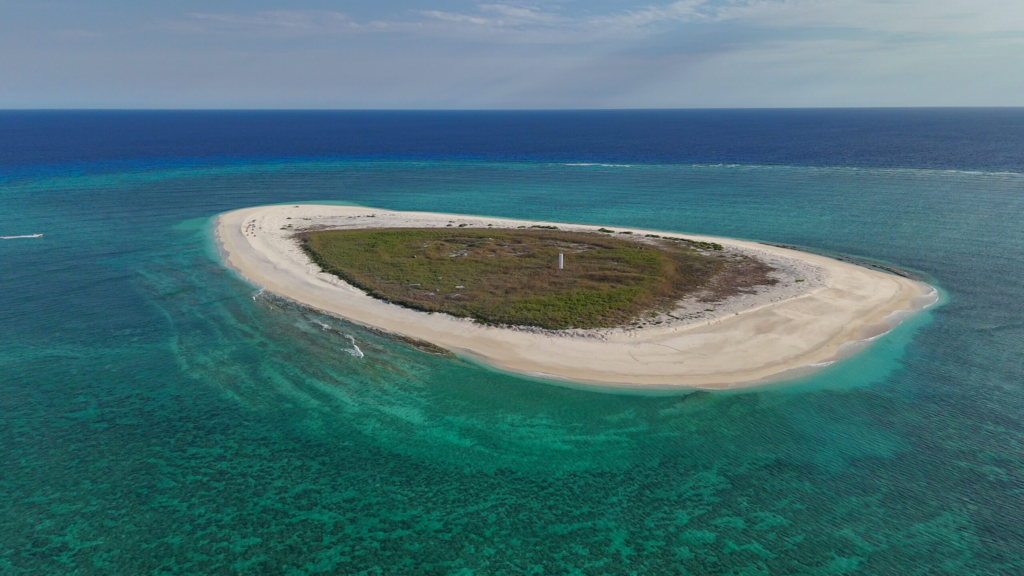
Groundbreaking Drone Operation: Remote islands often act as fragile ecological sanctuaries, harboring unique species found nowhere else on Earth. Unfortunately, these ecosystems are also extremely vulnerable to invasive species that can quickly disrupt delicate ecological balances. A new conservation initiative is tackling one such threat using innovative technology. Scientists and conservationists are now deploying drones to distribute bait across a remote island off the coast of Western Australia in an effort to eliminate an overwhelming infestation of house mice.
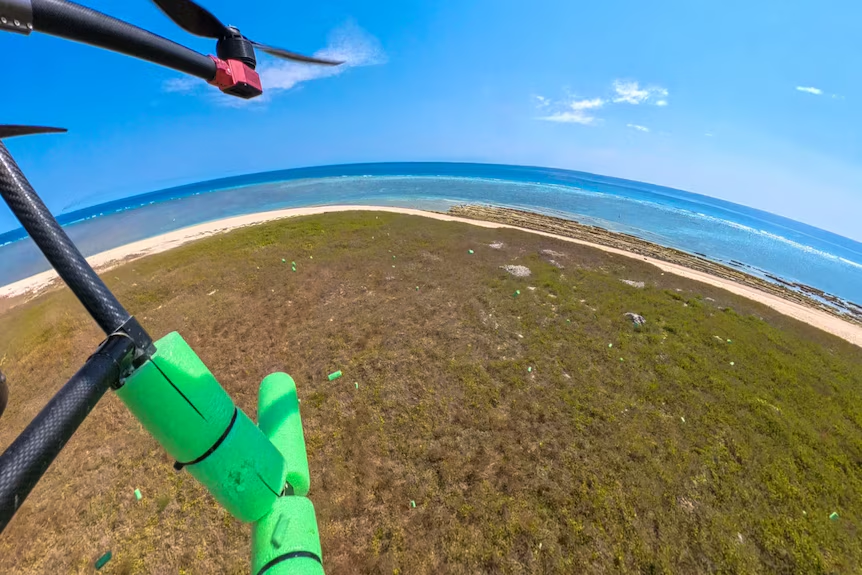
This groundbreaking project represents a modern approach to wildlife conservation, combining aerial drone technology with targeted pest control strategies. The goal is clear: eradicate the invasive mice population before irreversible damage occurs to the island’s native plants, seabirds, and other wildlife.
The Growing Threat of Invasive House Mice
How House Mice Became a Major Ecological Problem

The common house mouse, scientifically known as House Mouse, may appear harmless, but when introduced into isolated ecosystems, it can become a serious ecological threat. These rodents are highly adaptable and reproduce rapidly, allowing their populations to explode in environments where natural predators are limited or absent.
On remote islands, house mice can cause significant damage by feeding on seeds, insects, eggs, and even young birds. Over time, their presence disrupts natural food chains and threatens native species that evolved without rodent predators.
In the case of this Western Australian island, scientists observed an alarming rise in the mouse population. Without intervention, the infestation could permanently alter the island’s ecosystem.
Why Remote Islands Are Particularly Vulnerable
Fragile Ecosystems and Unique Biodiversity

Remote islands often host species that evolved in isolation for thousands or even millions of years. Because of this isolation, many of these species lack defenses against invasive predators such as rodents.
Invasive species are widely considered one of the greatest threats to island biodiversity worldwide. Conservation groups like BirdLife International and the International Union for Conservation of Nature consistently warn that introduced rodents are responsible for numerous extinctions of island bird species.
Even a relatively small rodent like the house mouse can have devastating consequences in such environments.
The Innovative Drone Baiting Strategy
Using Modern Technology for Conservation
Traditional pest control methods on islands often involve manual bait distribution by teams walking across difficult terrain. While effective, these methods are time-consuming, labor-intensive, and sometimes dangerous.
To overcome these challenges, conservationists are turning to drones.
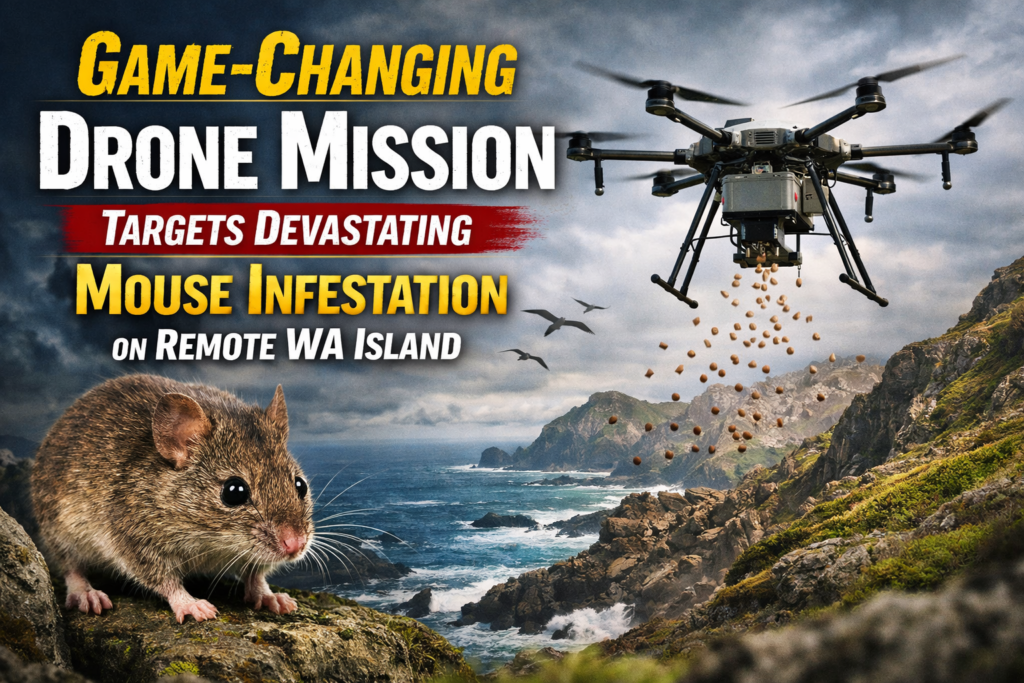
Unmanned aerial vehicles can quickly cover large areas of rugged terrain while precisely distributing bait designed to target mice. The drones are programmed to follow carefully mapped flight paths, ensuring even coverage across the island.
This technology allows conservation teams to reach cliffs, dense vegetation, and inaccessible areas that would be difficult or impossible to cover on foot.
How Drone Baiting Works
Precision Distribution of Rodent Control Bait
The drone-based baiting process involves several carefully planned steps.
First, scientists map the entire island using geographic data and aerial imagery. This mapping ensures that bait can be distributed evenly and strategically across all areas where mice are likely to live.
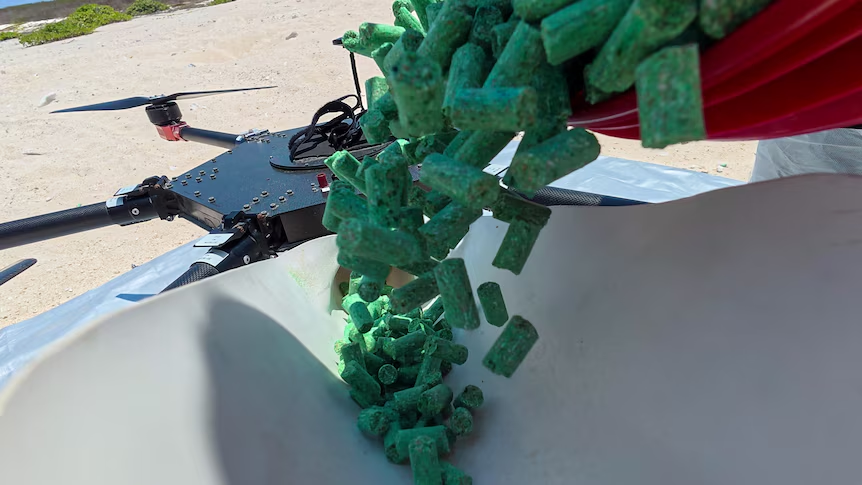
Next, drones equipped with specialized bait dispensers fly over the island while releasing small quantities of rodent bait. The bait contains compounds designed to specifically target rodents while minimizing risks to other wildlife.
By dispersing the bait across the landscape, mice encounter it naturally while foraging, leading to a gradual reduction in their population.
The strategy relies on comprehensive coverage to ensure that no pockets of mice survive to reproduce and restart the infestation.
Protecting Native Wildlife
Safeguarding Birds and Other Species
One of the primary motivations for the eradication effort is the protection of native bird populations that breed on the island.
Many seabirds nest directly on the ground or in burrows, making their eggs and chicks vulnerable to predators like mice. In severe infestations, rodents have even been known to attack live chicks.
Organizations such as BirdLife Australia have highlighted the importance of removing invasive rodents to protect vulnerable seabird colonies.
By eliminating the mouse population, conservationists hope to restore safe breeding conditions for these native birds.
Lessons From Previous Island Eradication Projects
Successful Conservation Efforts Around the World
Eradicating invasive rodents from islands is not a new concept. Over the past few decades, numerous successful eradication programs have restored ecosystems in places such as New Zealand and other island regions.
These projects have demonstrated that removing invasive rodents can lead to remarkable ecological recovery. Native birds often return in greater numbers, plant regeneration improves, and the overall health of the ecosystem stabilizes.
The Western Australian drone baiting project builds on lessons learned from these earlier conservation successes while incorporating modern technology to improve efficiency and safety.
Environmental Safety and Monitoring
Ensuring Minimal Impact on Non-Target Species
A critical component of any pest eradication program is ensuring that control measures do not harm native wildlife.
Scientists involved in the project have conducted extensive environmental risk assessments. The bait formulation is carefully designed to target rodents specifically, and the distribution method minimizes exposure to other animals.
Additionally, conservation teams will closely monitor the island’s wildlife before, during, and after the operation. This monitoring helps researchers assess the success of the eradication effort and detect any unintended ecological effects.
Challenges of Eradicating Mice on Islands
Why Complete Eradication Is Difficult
Although rodent eradication projects have achieved success in many places, they remain extremely complex undertakings.
House mice are resilient and reproduce quickly. Even a few surviving individuals can repopulate an island within a short period of time. For this reason, eradication efforts must ensure near-complete elimination of the population.
Weather conditions, terrain, and the size of the island can also complicate the operation. Drone technology helps address many of these challenges by allowing conservationists to maintain consistent coverage across difficult landscapes.
The Role of Technology in Modern Conservation
Drones as a Game-Changing Tool
The use of drones in conservation is expanding rapidly. Beyond pest control, drones are now used for wildlife monitoring, habitat mapping, anti-poaching surveillance, and environmental research.
In the case of the Western Australian island project, drones provide several advantages:
- Faster coverage of large areas
- Reduced physical risk for field teams
- More precise bait distribution
- Lower operational costs compared to helicopters
These advantages make drones an increasingly valuable tool for conservation programs worldwide.
Long-Term Ecological Benefits
Restoring Balance to the Island Ecosystem
If the drone baiting program successfully eliminates the mouse population, the island’s ecosystem could experience significant recovery.
Without the constant pressure from invasive rodents, native plants may regenerate more effectively, allowing natural vegetation patterns to return. Seabird colonies may expand, and insect populations may recover.
Over time, the ecosystem could gradually return to a more natural state, supporting a greater diversity of native species.
Global Importance of Island Conservation
Protecting Biodiversity Hotspots
Island ecosystems play an outsized role in global biodiversity. Despite covering a relatively small portion of Earth’s surface, islands host a disproportionate number of endemic species.
Unfortunately, they also account for a large percentage of recorded extinctions. Conservation organizations such as the Island Conservation emphasize that removing invasive species is one of the most effective ways to protect island biodiversity.
Projects like the drone baiting operation in Western Australia represent a crucial step in safeguarding these fragile ecosystems.
Future Implications for Conservation Strategies
A Model for Future Eradication Programs
If successful, the drone baiting project could serve as a model for similar conservation initiatives around the world. Many remote islands face challenges with invasive rodents, and drone technology may offer a scalable solution.
Researchers and conservationists will likely analyze the results of the project closely. The lessons learned could influence future strategies for protecting vulnerable ecosystems.
Conclusion: Innovation Meets Conservation
The fight against invasive species requires creativity, persistence, and the effective use of modern technology. The drone baiting program targeting house mice on a remote island in Western Australia represents a promising blend of science and innovation.
By leveraging drone technology to deliver bait precisely and efficiently, conservationists hope to eliminate a destructive rodent population and restore balance to a fragile ecosystem.
If the project succeeds, it will demonstrate how cutting-edge tools can enhance conservation efforts and help protect some of the world’s most vulnerable habitats for generations to come.
FAQs
1. What is the purpose of the drone baiting project on the island in Western Australia?
The main goal of the drone baiting project is to eliminate the growing population of invasive house mice that threaten the island’s fragile ecosystem. By removing these rodents, conservationists hope to protect native wildlife, especially seabirds and plants that are highly vulnerable to invasive predators.
2. Why are house mice considered dangerous for island ecosystems?
The House Mouse may appear harmless, but on remote islands it can cause serious ecological damage. House mice reproduce quickly and feed on seeds, insects, bird eggs, and chicks. This behavior disrupts natural food chains and threatens native species that evolved without rodent predators.
3. How do drones help control the mouse infestation?
Drones are equipped with special bait dispensers that release rodent control bait across the island. These unmanned aerial vehicles follow pre-programmed flight paths to distribute bait evenly, ensuring that areas difficult to reach on foot are also covered.