Introduction
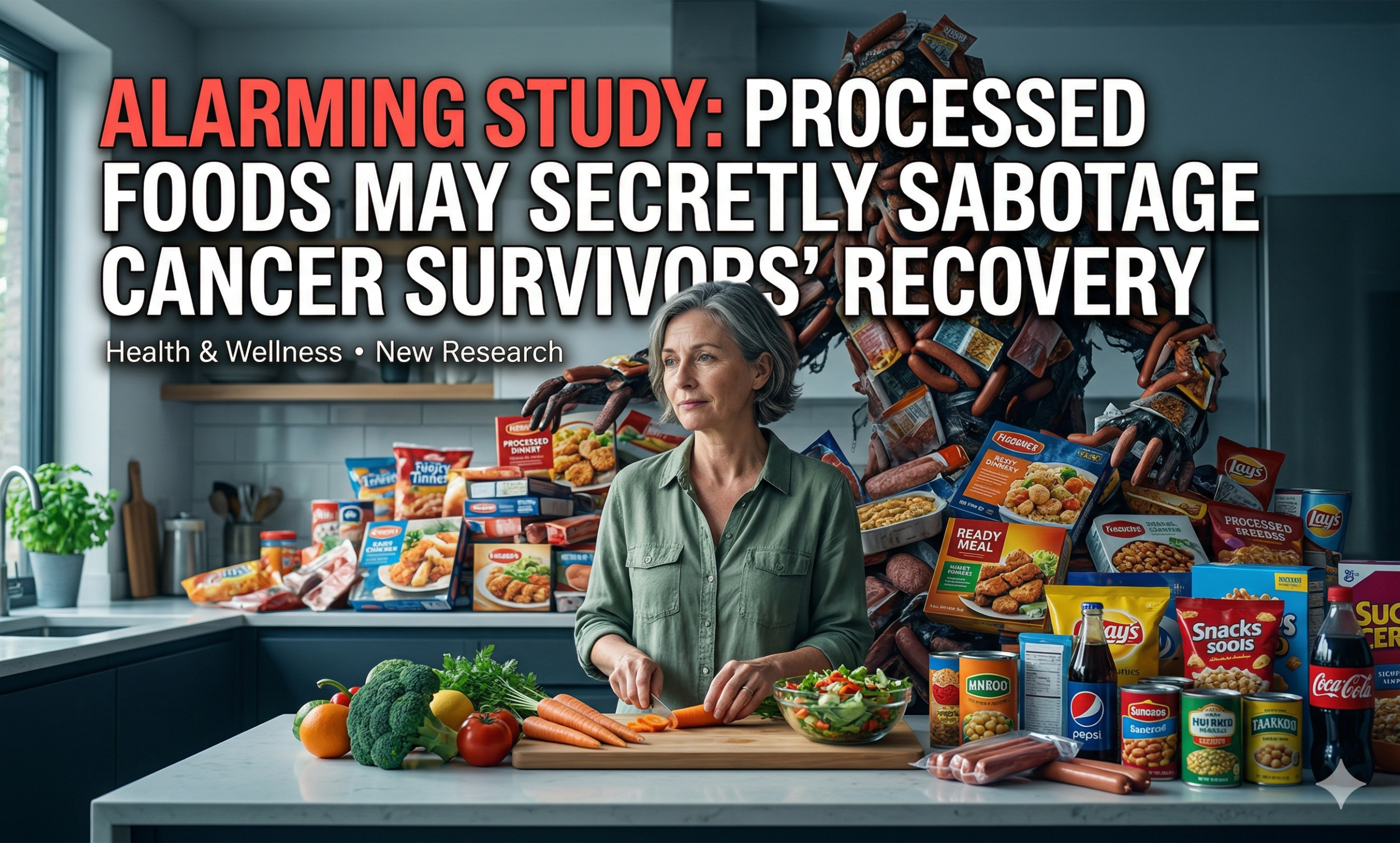
Alarming Study: Cancer survivorship has increased significantly in recent decades thanks to advances in early detection, medical treatments, and supportive care. However, recovery after cancer treatment remains a complex process that extends far beyond chemotherapy, radiation, or surgery. Nutrition, lifestyle choices, and long-term health habits play a crucial role in determining how well survivors regain strength and reduce the risk of recurrence.
A shocking new body of research suggests that processed foods may significantly harm cancer survivors’ recovery, slowing healing, increasing inflammation, and potentially raising the risk of cancer returning. While many people rely on convenient packaged foods during or after treatment, these foods may be undermining the body’s ability to repair itself.

This article explores the latest research, explains why processed foods are harmful for cancer survivors, and offers practical guidance on how to improve recovery through healthier dietary choices.
Understanding Processed Foods
Before examining their impact, it is important to understand what processed foods actually are.
What Are Processed Foods?
Processed foods are foods that have been altered from their natural state for convenience, preservation, or flavor enhancement. Processing can include:
- Adding preservatives
- Artificial flavoring and coloring
- High levels of salt, sugar, or unhealthy fats
- Chemical stabilizers and emulsifiers
- Industrial refining

Common examples include:
- Packaged snacks
- Sugary breakfast cereals
- Instant noodles
- Frozen ready-to-eat meals
- Processed meats like sausages and hot dogs
- Soft drinks and sugary beverages
While some processing is harmless, ultra-processed foods contain large amounts of artificial ingredients and very little real nutrition.

Why Processed Foods Are So Popular
Modern lifestyles often prioritize convenience. For people recovering from cancer treatment, fatigue and limited energy can make packaged meals and snacks appear like easy solutions.
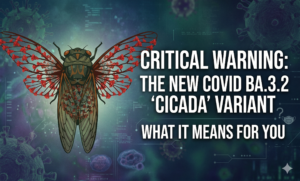
Processed foods are widely consumed because they are:
- Quick to prepare
- Affordable and widely available
- Highly palatable due to added sugar and salt
- Designed for long shelf life
However, the very factors that make them convenient also make them potentially harmful.
The Shocking Study Linking Processed Foods to Poor Recovery
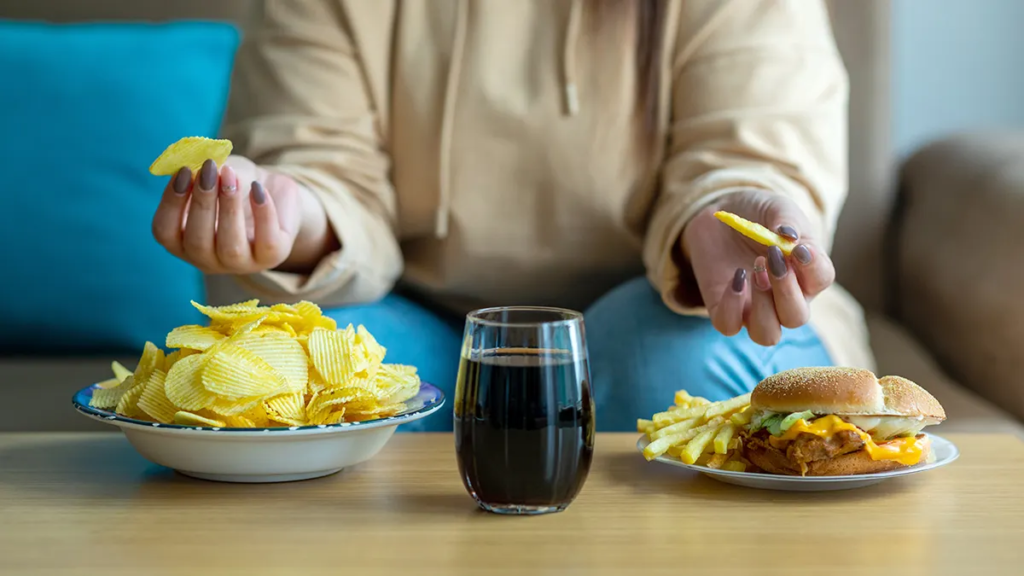
Recent research has revealed concerning evidence about the relationship between processed foods and cancer recovery.
Key Findings from the Study
The study examined dietary patterns among cancer survivors and found several alarming trends:
- Survivors who consumed large amounts of ultra-processed foods had higher inflammation levels.
- Their immune systems were weaker, making them more vulnerable to infections.
- They experienced slower tissue repair and recovery.
- Some participants showed higher rates of cancer recurrence markers.
These findings highlight the possibility that processed foods can interfere with the body’s natural healing mechanisms.
Why These Results Matter
After cancer treatment, the body is already under significant stress. Chemotherapy, radiation, and surgery can damage healthy cells along with cancer cells.
Recovery depends on:
- Rebuilding healthy tissues
- Strengthening the immune system
- Reducing inflammation
- Restoring metabolic balance
Unfortunately, processed foods tend to disrupt each of these processes.
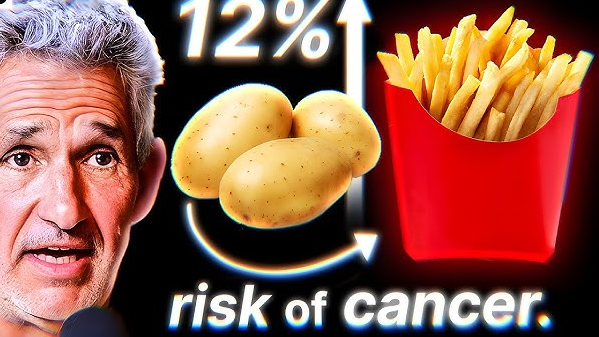
How Processed Foods Harm Cancer Survivors
1. Increased Inflammation in the Body
Inflammation is a natural response to injury or illness. However, chronic inflammation can be extremely harmful.
Processed foods often contain:
- Refined sugars
- Trans fats
- Artificial additives
- Excess sodium
These ingredients can trigger persistent inflammation, which has been linked to:
- Cancer progression
- Fatigue
- Pain and discomfort
- Slower healing
Cancer survivors already experience elevated inflammation from treatment, and processed foods may worsen the problem.
2. Weakening the Immune System
The immune system plays a critical role in preventing cancer from returning.
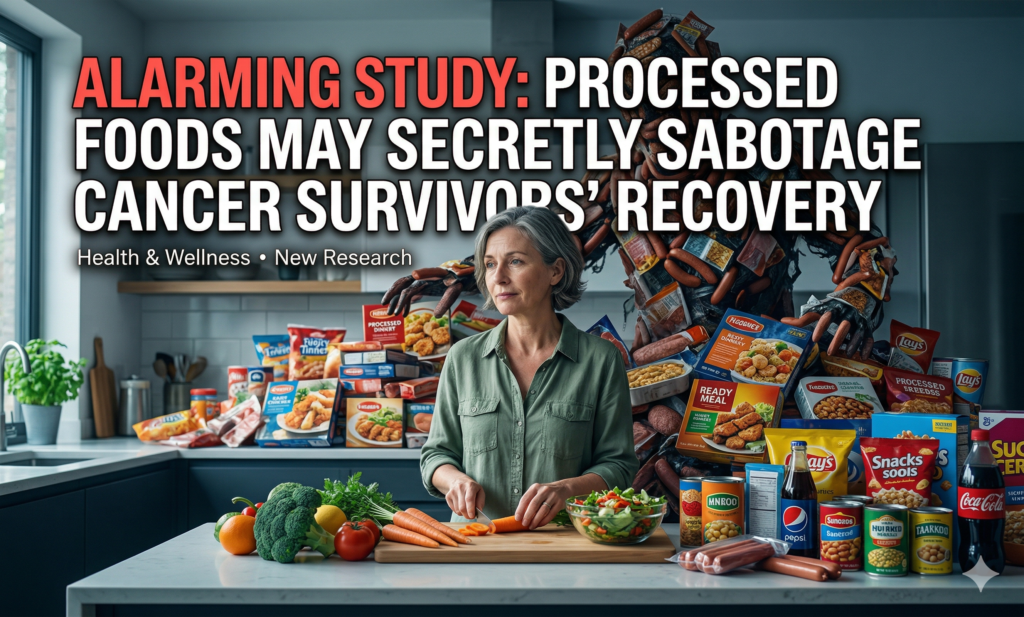
However, ultra-processed foods are typically low in essential nutrients such as:
- Vitamins
- Minerals
- Antioxidants
- Fiber
- Phytochemicals
Without these nutrients, the immune system struggles to function effectively.
Nutrient-dense whole foods like fruits, vegetables, and whole grains help the body defend against infections and potentially eliminate remaining cancer cells.
3. Disrupting Gut Health
Emerging research shows that gut health is strongly linked to cancer recovery.
The gut microbiome contains trillions of beneficial bacteria that help regulate:
- Immunity
- Digestion
- Inflammation
- Hormonal balance
Processed foods can damage gut bacteria because they often contain:
- Artificial emulsifiers
- Preservatives
- Refined carbohydrates
These ingredients can reduce beneficial microbes and encourage harmful bacteria, which may compromise recovery.
4. Promoting Weight Gain and Metabolic Problems
Many cancer survivors struggle with weight management after treatment.
Processed foods are typically:
- High in calories
- Low in fiber
- High in sugar and unhealthy fats
This combination can lead to:
- Weight gain
- Insulin resistance
- Metabolic syndrome
These metabolic changes have been associated with higher cancer recurrence risk in several types of cancer.
5. Lack of Essential Nutrients for Healing
Healing requires specific nutrients that processed foods rarely provide.
Key nutrients for recovery include:
- Protein for tissue repair
- Vitamin C for immune support
- Zinc for wound healing
- Omega-3 fatty acids to reduce inflammation
- Antioxidants to protect cells
Whole foods supply these nutrients naturally, whereas processed foods often contain empty calories.
The Role of Nutrition in Cancer Survivorship
Nutrition is one of the most powerful tools cancer survivors have to improve their recovery and long-term health.
Supporting the Body After Treatment
A balanced diet can help survivors:
- Rebuild damaged tissues
- Boost immune defenses
- Improve energy levels
- Reduce fatigue
- Support emotional wellbeing
Research consistently shows that survivors who follow healthier diets often report better quality of life and improved recovery outcomes.
Preventing Cancer Recurrence
Dietary patterns may also influence whether cancer returns.
Healthy diets rich in plant-based foods may help:
- Reduce oxidative stress
- Lower inflammation
- Maintain healthy body weight
- Improve metabolic health
These factors collectively contribute to lowering long-term cancer risks.
Healthier Food Choices for Cancer Survivors
Avoiding processed foods does not mean sacrificing convenience or enjoyment. Instead, survivors can focus on nutrient-dense alternatives.
1. Whole Fruits and Vegetables
Fruits and vegetables are rich in:
- Antioxidants
- Fiber
- Vitamins and minerals
Examples include:
- Berries
- Spinach
- Broccoli
- Carrots
- Apples
These foods support immune function and reduce inflammation.
2. Lean Protein Sources
Protein is essential for rebuilding tissues damaged during treatment.
Healthy protein sources include:
- Fish
- Eggs
- Beans and lentils
- Tofu
- Skinless poultry
Protein also helps maintain muscle mass, which is often lost during treatment.
3. Whole Grains
Whole grains provide sustained energy and improve digestive health.
Good options include:
- Brown rice
- Quinoa
- Oats
- Whole wheat bread
Unlike refined grains, whole grains contain fiber and important nutrients.
4. Healthy Fats
Healthy fats help reduce inflammation and support brain health.
Sources include:
- Avocados
- Nuts and seeds
- Olive oil
- Fatty fish like salmon
Omega-3 fatty acids found in these foods may also support heart health.
Practical Tips to Reduce Processed Foods
Transitioning away from processed foods can feel overwhelming, especially during recovery. However, small changes can make a big difference.
Plan Simple Meals
Preparing simple meals with fresh ingredients can help avoid reliance on packaged foods.
Examples include:
- Vegetable omelets
- Smoothies with fruit and yogurt
- Whole-grain toast with avocado
- Homemade soups
Read Food Labels Carefully
When buying packaged foods, look for:
- Short ingredient lists
- Minimal added sugar
- Low sodium levels
- No artificial additives
Cook in Batches
Batch cooking can save time and energy.
Preparing meals in advance allows survivors to have healthy options available even on low-energy days.
Focus on Balanced Plates
A balanced meal should include:
- Vegetables or fruits
- Lean protein
- Whole grains
- Healthy fats
This combination provides sustained energy and essential nutrients.
The Psychological Impact of Diet on Recovery
Diet affects more than physical health. It also plays a role in emotional wellbeing during recovery.
Eating nourishing foods can:
- Improve mood
- Increase energy levels
- Reduce anxiety
- Promote a sense of control during recovery
For many survivors, adopting healthier eating habits becomes part of reclaiming their health and confidence after cancer treatment.
The Future of Nutrition Research in Cancer Survivorship
Researchers are continuing to investigate how diet influences cancer recovery and recurrence.
Future studies aim to explore:
- The relationship between ultra-processed foods and cancer outcomes
- The role of the gut microbiome in survivorship
- Personalized nutrition strategies for cancer patients
As scientific understanding grows, nutrition will likely become an even more important part of cancer care and recovery.
Conclusion
The growing body of research highlighting the dangers of processed foods for cancer survivors is a powerful reminder that recovery extends beyond medical treatments. While convenience foods may seem harmless, their high levels of additives, sugars, and unhealthy fats can interfere with healing and weaken the body’s defenses.
By reducing processed foods and focusing on whole, nutrient-rich ingredients, cancer survivors can support their immune systems, reduce inflammation, and improve overall wellbeing. Small dietary changes can make a significant difference in recovery and long-term health.
Ultimately, the journey after cancer treatment is about rebuilding strength and resilience. Choosing healthier foods is one of the most effective steps survivors can take to protect their future health and enhance their quality of life.
FAQs
1. Why are processed foods harmful to cancer survivors?
Processed foods can be harmful to cancer survivors because they often contain high levels of refined sugar, unhealthy fats, sodium, and artificial additives. These ingredients may increase inflammation, weaken the immune system, and slow the body’s healing process after cancer treatment. Poor nutrition can also negatively affect energy levels and overall recovery.
2. Can processed foods increase the risk of cancer recurrence?
Some studies suggest that diets high in ultra-processed foods may increase inflammation and contribute to metabolic problems such as obesity and insulin resistance. These conditions have been linked to a higher risk of certain cancers returning. However, more research is still being conducted to fully understand the connection.
3. How does diet affect cancer recovery?
Diet plays a crucial role in cancer recovery by supporting immune function, repairing tissues damaged during treatment, and reducing inflammation. A balanced diet rich in whole foods can help improve energy levels, maintain a healthy weight, and enhance overall quality of life for cancer survivors.