Introduction: Why Milk Spoils Faster Than You Think
Milk is a staple in most households, yet it’s also one of the most commonly wasted foods. You buy a fresh carton, store it in the fridge, and within days it starts to smell sour. But what if you could keep your milk fresh for weeks instead of just a few days?
The “mind-blowing secret” isn’t magic—it’s a combination of smart storage techniques, understanding how milk behaves, and using a few simple tricks that most people overlook. In this guide, you’ll learn exactly how to extend milk freshness, reduce waste, and save money.
Understanding Milk Spoilage
What Causes Milk to Go Bad?

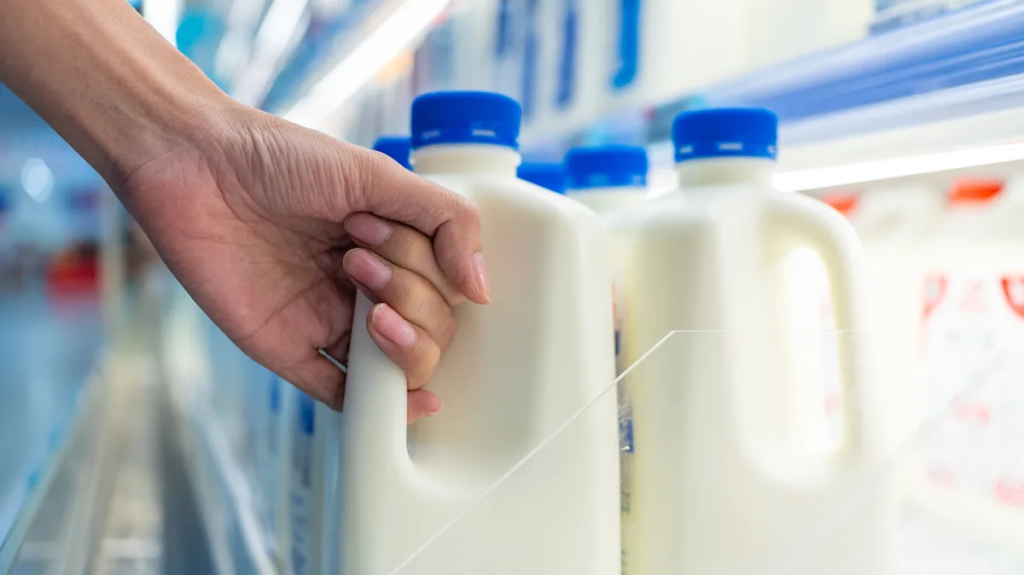
Milk spoils due to the growth of bacteria. Even when refrigerated, bacteria slowly multiply and break down lactose, producing that familiar sour smell.
Key factors that speed up spoilage include:
- Temperature fluctuations
- Exposure to air
- Contamination from utensils or hands
- Improper storage placement
The Role of Pasteurization
Most milk sold today is pasteurized, meaning it has been heated to kill harmful bacteria. However, pasteurization doesn’t make milk last forever—it only slows down spoilage.
There are different types of milk processing:
- Pasteurized milk – lasts about 5–7 days after opening
- Ultra-pasteurized milk – lasts longer due to higher heat treatment
- UHT (Ultra-High Temperature) milk – can last months unopened
The Real Secret: Temperature Stability
Why Consistent Cold Temperature Is Everything
The biggest secret to keeping milk fresh for weeks is maintaining a consistent, cold temperature.
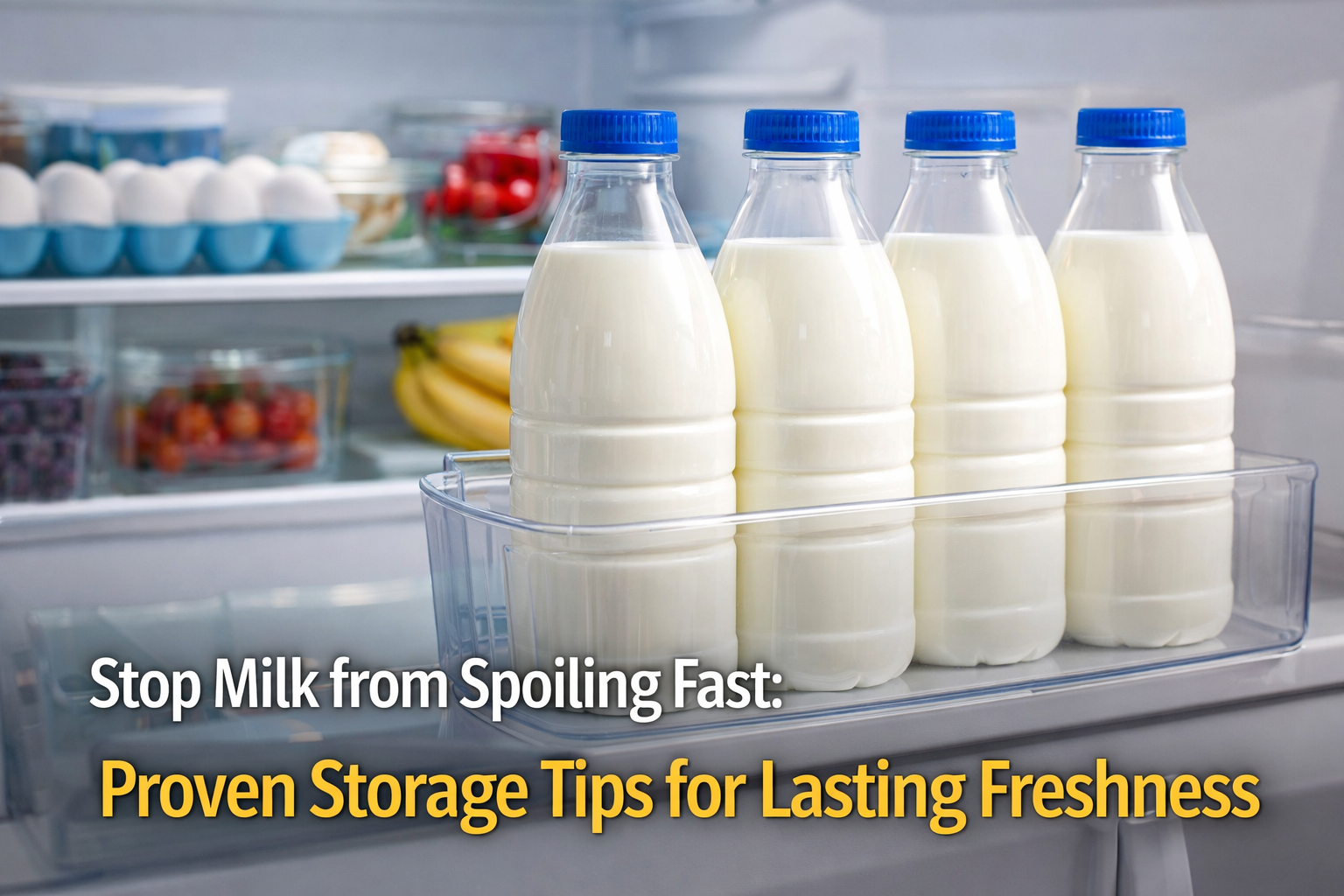
Most people store milk in the refrigerator door—but that’s the worst place for it.
Where You Should Actually Store Milk

Place your milk:
- At the back of the fridge
- On a middle or lower shelf
- Away from the door
The back of the fridge stays the coldest and most stable, preventing bacterial growth.
The “Don’t Break the Cold Chain” Rule
What It Means
Every time milk warms up—even slightly—it creates an opportunity for bacteria to grow.
How to Apply It
- Put milk in the fridge immediately after buying
- Avoid leaving it on the counter
- Return it quickly after pouring
This simple habit can dramatically extend freshness.
The Air Exposure Trick
Why Air Is the Enemy
When milk is exposed to air, it introduces bacteria and accelerates spoilage.
How to Minimize Exposure
- Always close the cap tightly
- Avoid transferring milk between containers unnecessarily
- Use smaller containers if needed
Less air = longer freshness.
Glass vs Plastic: Does It Matter?
The Surprising Difference
Milk stored in glass containers often stays fresher longer than in plastic.
Why Glass Works Better
- Non-porous surface prevents odor absorption
- Maintains temperature more effectively
- Easier to clean and sterilize
If possible, transfer milk to a clean glass bottle for better results.
The Salt Hack (Yes, Really!)
A Little-Known Trick
Adding a tiny pinch of salt to milk can help slow bacterial growth.
How to Use It Safely
- Add just a small pinch per liter
- Mix gently
- Do not overuse
This trick works subtly without affecting taste when done correctly.
Boiling Milk: Traditional but Effective
Why Boiling Helps
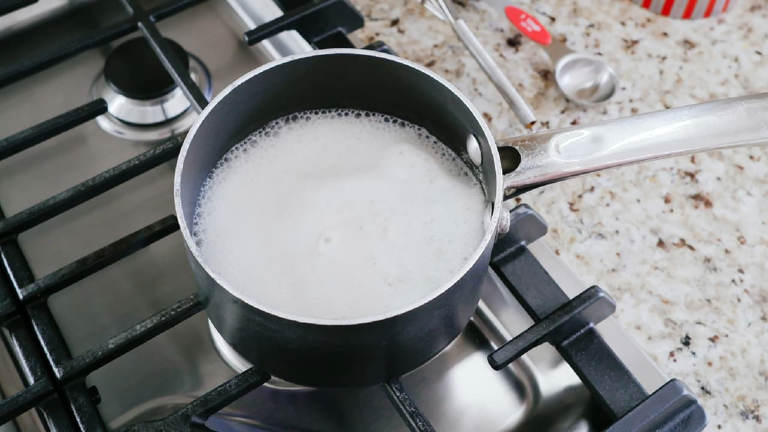
In many households, boiling milk is a common practice. It kills bacteria and extends shelf life.
Best Practices
- Boil only what you plan to store
- Let it cool before refrigerating
- Store in a clean, sealed container
This method is especially useful in warmer climates.
Freezing Milk: The Ultimate Backup Plan
Can You Freeze Milk?
Yes, milk can be frozen to extend its life significantly.
How to Freeze Properly
- Leave space in the container for expansion
- Use airtight containers
- Label with the date
Thawing Tips
- Thaw in the refrigerator
- Shake well before use
Note: Texture may slightly change, but it remains safe to consume.
Cleanliness Matters More Than You Think
Avoid Contamination
Even small contaminants can spoil milk quickly.
Simple Hygiene Tips
- Don’t drink directly from the carton
- Use clean utensils
- Keep the bottle opening clean
These small habits make a big difference.
Choosing the Right Milk for Longevity
Not All Milk Is Equal
Some types of milk naturally last longer.
Longer-Lasting Options
- Ultra-pasteurized milk
- UHT milk
- Lactose-free milk
These are ideal if you want extended shelf life with minimal effort.
Signs Your Milk Is Going Bad
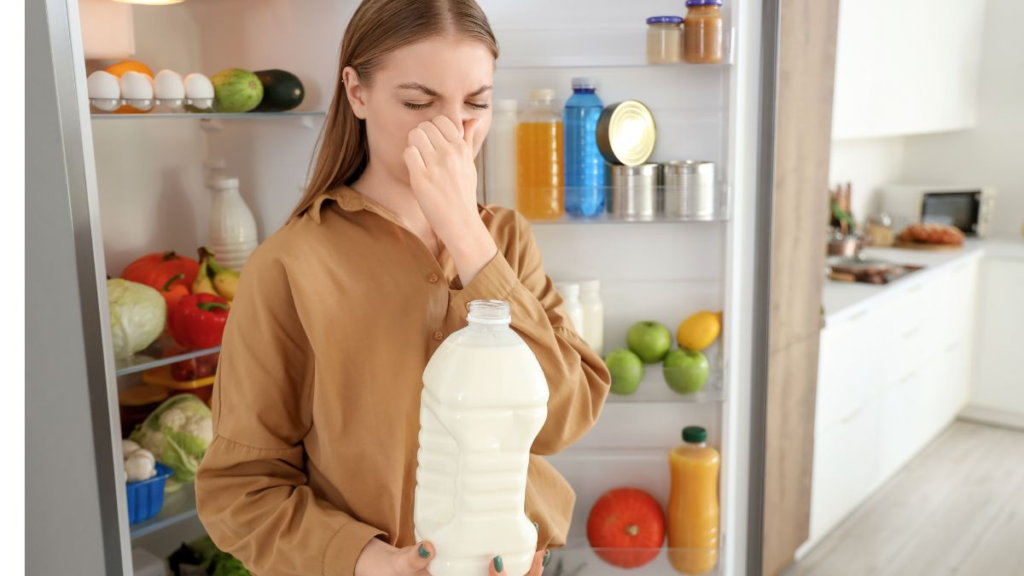
What to Watch For
Even with the best storage, milk will eventually spoil.
Look for:
- Sour smell
- Lumpy texture
- Off taste
If in doubt, it’s safer to discard it.
Common Mistakes That Ruin Milk Quickly
1. Storing Milk in the Door
This exposes milk to constant temperature changes.
2. Leaving Milk Out Too Long
Even a few minutes at room temperature can accelerate spoilage.
3. Using Dirty Containers
Bacteria from unclean containers can ruin fresh milk quickly.
Advanced Storage Tips for Maximum Freshness
Use Smaller Containers
Dividing milk into smaller portions reduces repeated exposure to air.
Keep Fridge Temperature Low
Set your refrigerator between 1–4°C (34–39°F) for optimal storage.
Avoid Light Exposure
Light can degrade milk quality over time. Opaque containers help protect it.
Eco-Friendly Benefits of Reducing Milk Waste
Why It Matters
Wasting milk isn’t just costly—it also impacts the environment.
Reducing waste helps:
- Save money
- Lower food waste
- Reduce environmental impact
The Real “Mind-Blowing” Secret Revealed
So what’s the big secret?
It’s not just one trick—it’s a combination of:
- Keeping milk at a stable, cold temperature
- Minimizing air exposure
- Practicing good hygiene
- Using smart storage methods
When you follow these consistently, milk can stay fresh far longer than expected.
Conclusion: Fresh Milk, Smarter Habits
Keeping milk fresh for weeks isn’t impossible—it just requires a better approach. By understanding how milk spoils and applying these simple yet powerful techniques, you can extend its shelf life, reduce waste, and enjoy fresher dairy every day.
The next time you bring home a carton of milk, remember: freshness isn’t luck—it’s strategy.
FAQs
How long does milk usually stay fresh after opening?
Most regular pasteurized milk stays fresh for 5–7 days after opening when stored properly in the refrigerator. Ultra-pasteurized milk can last longer.
What is the best way to store milk in the fridge?
Store milk at the back of the refrigerator on a middle or lower shelf, where the temperature is most stable. Avoid keeping it in the fridge door.
Can milk really stay fresh for weeks?
Yes, with proper storage techniques—like maintaining a consistent cold temperature, minimizing air exposure, and using clean containers—milk can last significantly longer than usual.