
Introduction
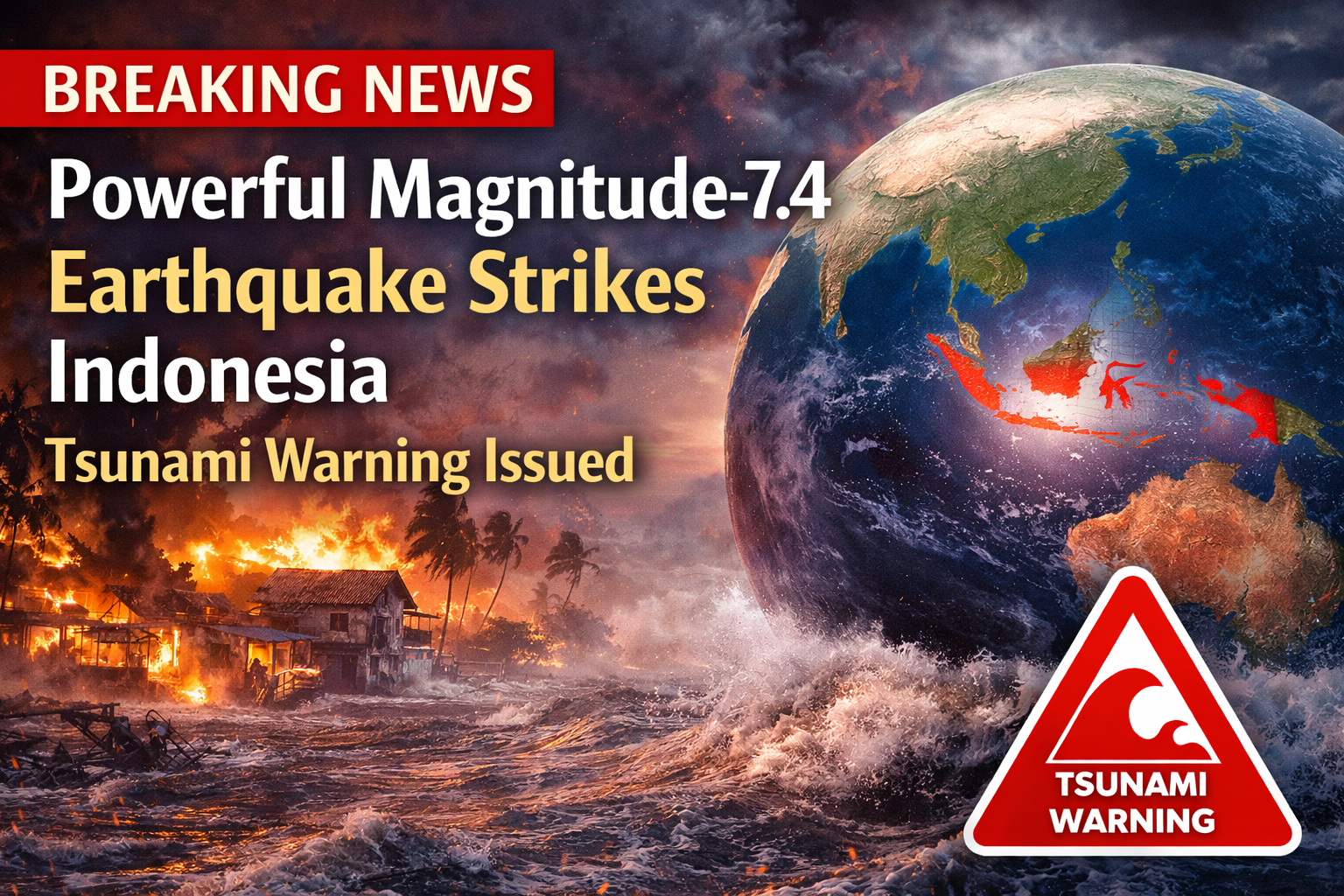
A powerful earthquake measuring magnitude 7.4 recently struck parts of Indonesia, triggering immediate concerns across the region and prompting authorities to issue a tsunami warning. The seismic event shook coastal communities, caused panic among residents, and prompted emergency response teams to act quickly to assess potential damage.
Indonesia is located along one of the most seismically active zones in the world, making earthquakes a frequent occurrence. However, strong quakes of magnitude 7.0 or higher always raise the possibility of destructive tsunamis and significant infrastructure damage.
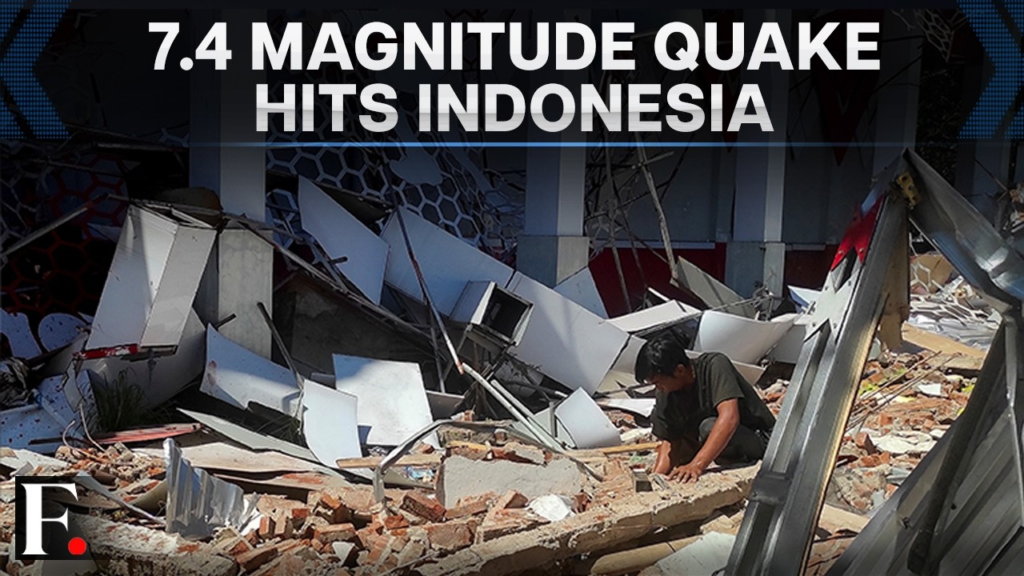

Authorities quickly began monitoring ocean conditions while advising residents in coastal areas to move to higher ground as a precaution. This article explores the details of the earthquake, its potential impact, Indonesia’s vulnerability to seismic activity, and how emergency services responded to the situation.
Understanding the Magnitude-7.4 Earthquake
When and Where the Earthquake Occurred
The powerful earthquake struck near Indonesia’s coastal region, sending strong tremors across nearby islands. According to early reports from monitoring agencies, the quake occurred at a shallow depth beneath the ocean floor, which significantly increases the likelihood of tsunami generation.
Residents reported intense shaking lasting several seconds, causing people to rush out of buildings and seek open areas for safety.

The earthquake’s epicenter was located in a seismically active part of Indonesia where tectonic plates frequently interact.
What a Magnitude-7.4 Earthquake Means
Earthquakes are measured using the moment magnitude scale, which indicates the energy released during a seismic event.
A magnitude-7.4 earthquake is considered very strong and can cause significant damage, particularly if it occurs near populated areas or shallow underwater regions.

Such earthquakes can:
- Damage buildings and infrastructure
- Trigger landslides
- Disrupt transportation systems
- Generate tsunamis if they occur beneath the ocean
Because the earthquake occurred offshore, scientists immediately began analyzing the possibility of tsunami waves forming.
Tsunami Warning Issued Across Coastal Areas
Immediate Safety Alerts
Following the earthquake, authorities issued tsunami warnings for several coastal regions. Emergency systems were activated, and residents in vulnerable areas were advised to evacuate to higher ground.
Sirens, emergency messages, and public announcements helped inform communities about the potential threat.
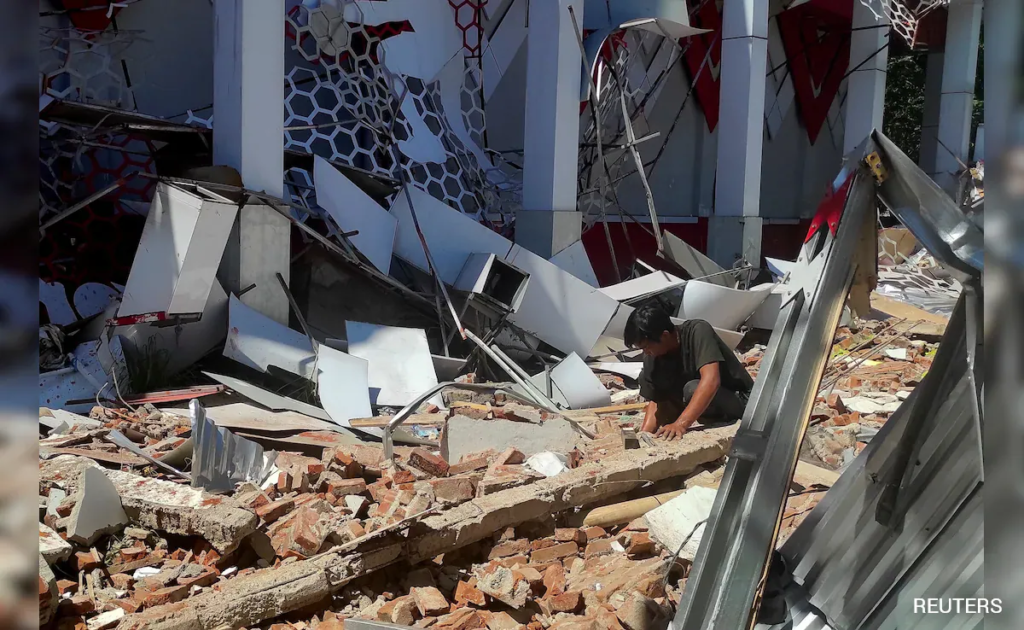
While not all large earthquakes generate tsunamis, caution is essential because even moderate waves can cause devastating coastal flooding.
Monitoring Ocean Activity
Scientists and monitoring agencies quickly began tracking ocean conditions using seismic sensors and ocean buoys.
These systems help detect sudden changes in sea level that may indicate the formation of tsunami waves.
Authorities carefully monitored:
- Wave heights
- Ocean pressure changes
- Seafloor movement
- Potential wave arrival times
Such monitoring allows officials to determine whether tsunami warnings should remain in place or be canceled.
Indonesia’s Position on the Pacific Ring of Fire
A Region of Intense Seismic Activity
Indonesia sits along the Pacific Ring of Fire, a massive zone of tectonic activity surrounding the Pacific Ocean.
This region contains numerous volcanoes and earthquake fault lines where tectonic plates collide and shift.
Because of its location, Indonesia experiences thousands of earthquakes each year. While many are small, larger earthquakes occur periodically and can cause serious damage.
Tectonic Plate Movement
Several major tectonic plates interact beneath Indonesia, including:
- The Indo-Australian Plate
- The Eurasian Plate
- The Pacific Plate
When these plates push against or slide beneath each other, enormous amounts of energy can build up within the Earth’s crust.
When that energy is suddenly released, it produces an earthquake.
Immediate Impact on Local Communities
Residents Flee Buildings
When the earthquake struck, residents reported strong shaking that caused furniture to move and buildings to sway.
Many people ran outside in fear of collapsing structures.
In coastal areas, evacuation routes quickly filled as families moved toward higher ground following tsunami warnings.
Temporary Disruptions
Large earthquakes can cause disruptions in everyday life. Early reports indicated potential impacts such as:
- Power outages
- Temporary communication disruptions
- Transportation delays
- Damage to roads or bridges
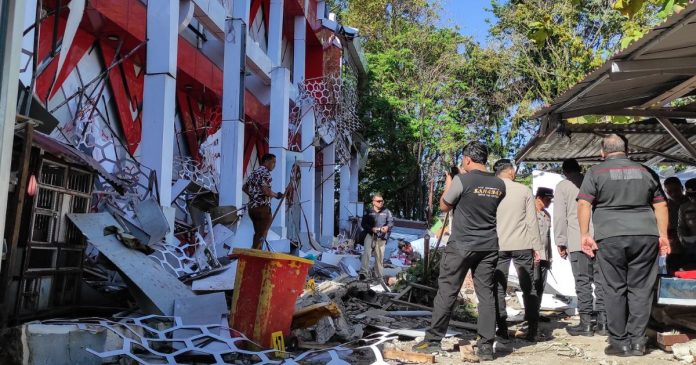
Emergency responders worked quickly to inspect infrastructure and ensure public safety.
Emergency Response and Rescue Operations
Government Agencies Mobilize Quickly
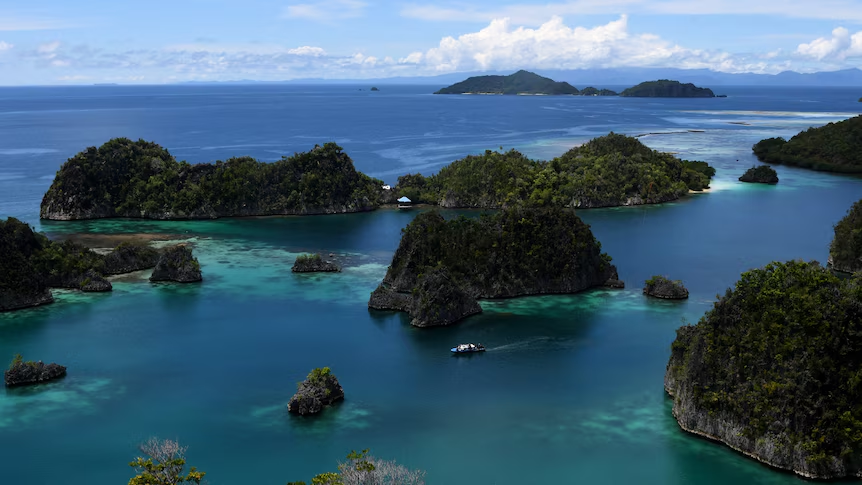
Indonesia’s disaster management authorities immediately activated emergency response teams.
Search and rescue units, medical teams, and disaster management personnel were deployed to areas closest to the earthquake’s epicenter.
Their priorities included:
- Checking for building damage
- Assisting injured individuals
- Evaluating tsunami risks
- Restoring essential services
Coordination With International Monitoring Agencies
Global seismic monitoring organizations also analyzed the earthquake.
These agencies provide critical data about earthquake magnitude, depth, and potential tsunami generation.
International cooperation allows scientists to quickly share information and improve early warning systems.
The Science Behind Tsunami Formation
How Earthquakes Trigger Tsunamis
Tsunamis are typically generated when large earthquakes occur beneath the ocean floor.
If the seafloor suddenly rises or drops during a quake, it displaces a massive amount of water.
This displacement creates waves that travel rapidly across the ocean.
In deep water, tsunami waves may be barely noticeable. However, as they approach shorelines, they can grow dramatically in height.
Speed and Impact of Tsunami Waves
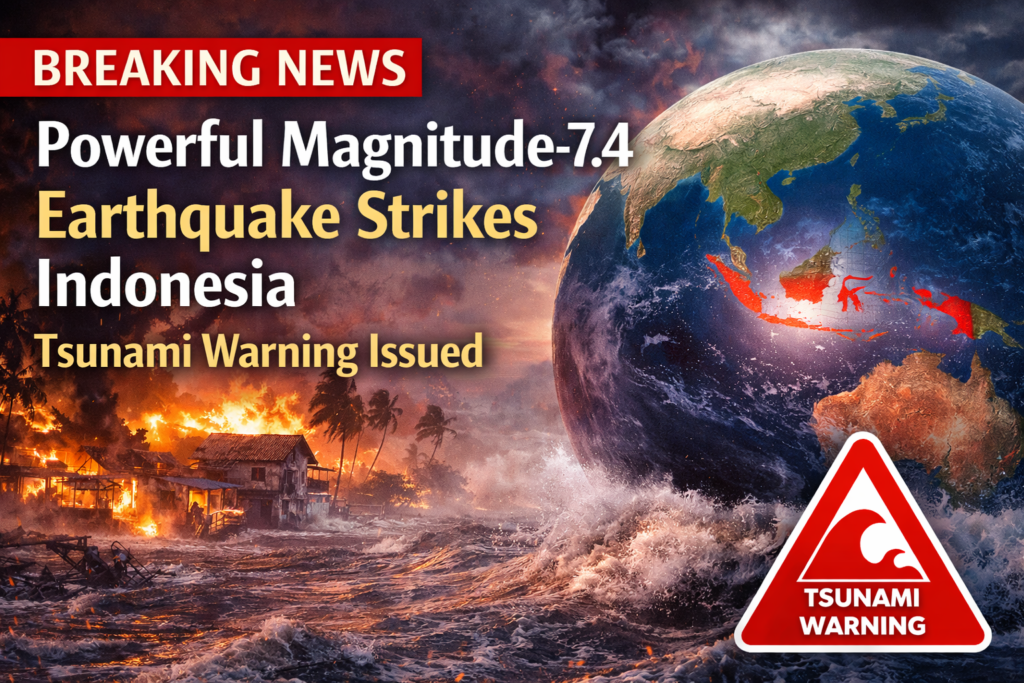
Tsunami waves can travel at speeds of up to 800 kilometers per hour, similar to a commercial airplane.
When these waves reach shallow coastal waters, they slow down but increase in height.
This can cause sudden flooding and powerful currents capable of destroying buildings and infrastructure.
Lessons From Past Indonesian Earthquakes
The 2004 Indian Ocean Tsunami
One of the most devastating natural disasters in history occurred in 2004 when a massive earthquake off the coast of Sumatra triggered a catastrophic tsunami.
The disaster affected several countries and caused widespread destruction.
In response, global tsunami warning systems were significantly improved.
Improvements in Early Warning Systems
Since then, Indonesia has invested heavily in monitoring systems designed to detect earthquakes and potential tsunamis.
Modern technologies now include:
- Seismic monitoring stations
- Ocean buoys
- Satellite communications
- Automated alert systems
These improvements help provide faster warnings and save lives.
The Importance of Disaster Preparedness
Public Awareness and Education
In earthquake-prone regions like Indonesia, public awareness plays a crucial role in disaster preparedness.
Communities are often trained on how to respond when earthquakes occur.
Basic safety guidelines include:
- Drop, cover, and hold during shaking
- Move away from buildings and power lines
- Evacuate coastal areas after strong quakes
Education programs help ensure that residents understand these procedures.
Evacuation Infrastructure
Many coastal communities have developed evacuation routes and designated safe zones for tsunami emergencies.
Clear signage, public drills, and emergency planning help reduce panic during real events.
Environmental and Geological Effects
Possible Landslides and Coastal Changes
Strong earthquakes can trigger landslides in mountainous regions and cause changes to coastal landscapes.
Ground shifts may also affect river paths, coastal cliffs, and underwater terrain.
Geologists often study these changes to better understand the region’s tectonic activity.
Aftershocks Following Major Earthquakes
Large earthquakes are often followed by aftershocks, which are smaller tremors that occur as the Earth’s crust adjusts to the initial rupture.
Aftershocks can continue for days or even weeks.
Although usually weaker than the main quake, they can still cause damage to already weakened structures.
Global Attention and Humanitarian Support
International Monitoring and Assistance
Major earthquakes often attract global attention from governments, humanitarian organizations, and scientific institutions.
These groups may offer assistance such as:
- Disaster relief supplies
- Medical teams
- Infrastructure support
- Satellite monitoring data
International cooperation plays an important role in responding to natural disasters.
Humanitarian Preparedness
Organizations specializing in disaster response often maintain emergency supplies and rapid deployment teams ready to assist affected communities.
These resources can be critical in the aftermath of large earthquakes.
The Role of Technology in Earthquake Detection
Seismic Monitoring Networks
Modern seismic networks use highly sensitive instruments capable of detecting earthquakes anywhere in the world.
These sensors measure ground movement and transmit data to monitoring centers.
Scientists analyze this information to determine:
- Earthquake magnitude
- Epicenter location
- Depth of the quake
- Potential tsunami risk
Artificial Intelligence in Disaster Prediction
Researchers are increasingly using artificial intelligence to analyze seismic data and improve earthquake detection.
AI systems can identify patterns in seismic activity and help predict potential hazards more quickly.
Although earthquakes cannot yet be predicted with certainty, technology continues to improve early warning capabilities.
Long-Term Recovery and Reconstruction
Rebuilding After Natural Disasters
If significant damage occurs, communities must undertake long-term recovery efforts.
Reconstruction often involves repairing homes, rebuilding infrastructure, and restoring essential services.
Governments may provide financial assistance to help affected residents recover.
Strengthening Infrastructure
In earthquake-prone regions, engineers design buildings with special features that allow structures to withstand seismic forces.
Earthquake-resistant construction techniques include:
- Flexible building materials
- Reinforced foundations
- Shock-absorbing structural designs
These methods help reduce damage during future earthquakes.
Conclusion
The powerful magnitude-7.4 earthquake that struck Indonesia serves as a reminder of the immense geological forces shaping our planet. Located along the Pacific Ring of Fire, Indonesia remains one of the world’s most earthquake-prone regions.
The quick issuance of a tsunami warning highlights the importance of modern monitoring systems and emergency preparedness. Although such events can cause fear and uncertainty, improved technology and disaster response strategies have significantly enhanced the ability of authorities to protect communities.
As scientists continue to study seismic activity and improve early warning systems, countries around the world are becoming better equipped to respond to natural disasters. While earthquakes cannot be prevented, effective preparation and rapid response can help minimize their impact and save lives.
FAQs
1. Where did the magnitude-7.4 earthquake strike in Indonesia?
The powerful earthquake struck off the coast of Indonesia, a country located along the seismically active Pacific region. The tremor was strong enough to be felt across several nearby islands and coastal communities.
2. Why was a tsunami warning issued after the earthquake?
A tsunami warning was issued because the earthquake occurred under the ocean. When strong underwater earthquakes shift the seafloor, they can displace large volumes of water and potentially generate tsunami waves.
3. Is Indonesia prone to earthquakes?
Yes, Indonesia is one of the most earthquake-prone countries in the world because it lies on the Pacific Ring of Fire, a massive zone where multiple tectonic plates meet and frequently cause earthquakes and volcanic activity.