Introduction: A New Era in Global Shipping
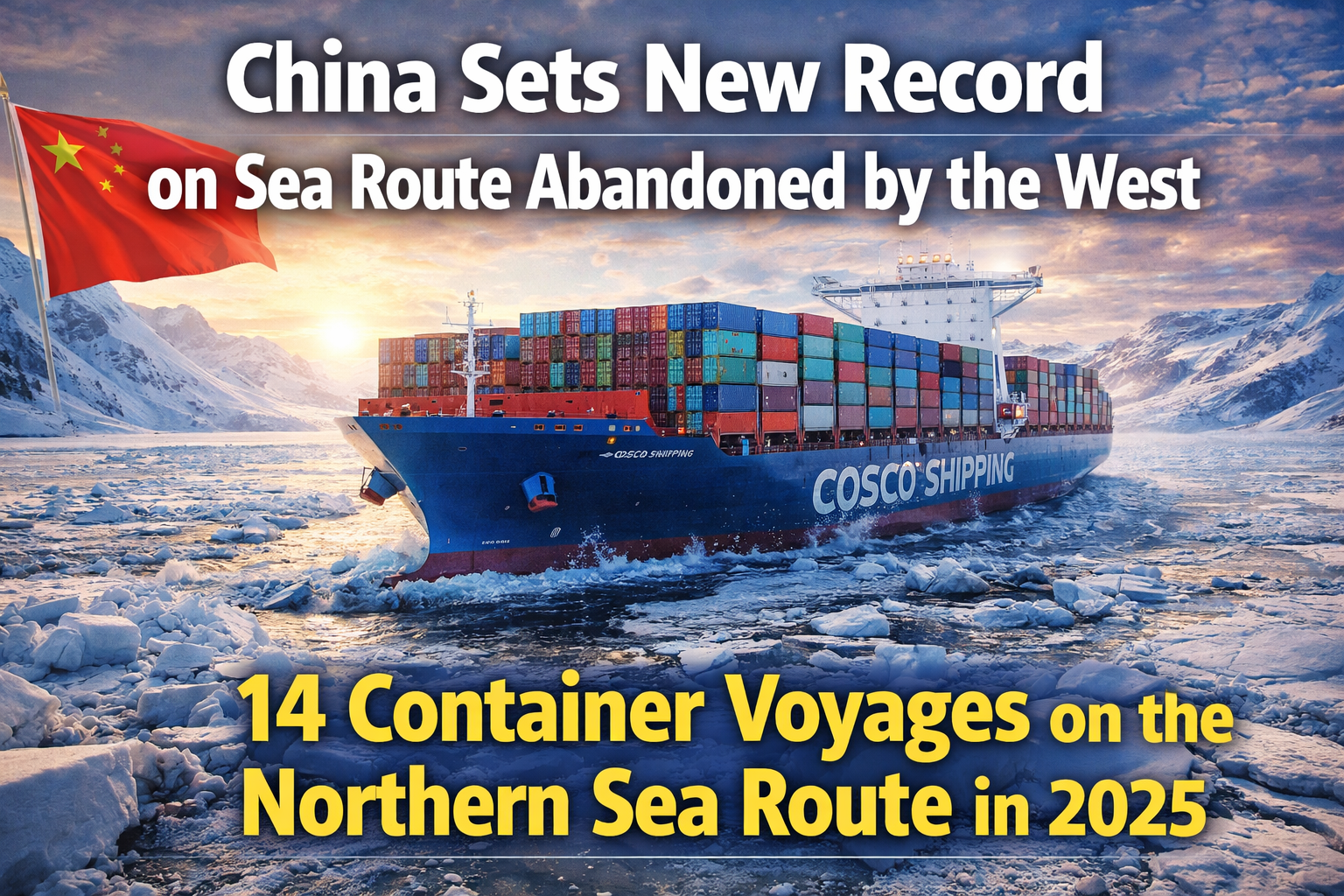
China’s Bold Arctic Breakthrough: In a surprising development that is reshaping global trade routes, China has set a new maritime milestone by completing 14 container voyages along the Northern Sea Route (NSR) in 2025. This once-overlooked Arctic passage—largely abandoned by Western shipping companies due to geopolitical tensions and operational risks—has become an increasingly attractive alternative for Asian trade.
The Northern Sea Route stretches across the Arctic Ocean along the northern coast of Russia, connecting Europe and Asia through a significantly shorter path compared to traditional shipping corridors. With melting Arctic ice and advancements in icebreaker technology, the route is now becoming a strategic gateway for faster global logistics.

China’s record-breaking voyages signal a broader shift in maritime power and trade strategy, highlighting the country’s ambition to dominate emerging Arctic shipping corridors while Western companies remain cautious.
Understanding the Northern Sea Route
What Is the Northern Sea Route?
The Northern Sea Route runs from the Kara Sea to the Bering Strait, hugging Russia’s Arctic coastline.
This route is often compared to the traditional trade pathway via the Suez Canal, but the Arctic option offers several potential advantages.
Key Features of the Route
- Up to 40% shorter travel distance between Asia and Europe
- Reduced fuel consumption
- Faster delivery times
- Lower congestion compared to traditional shipping lanes

Because of these advantages, global shipping companies have long studied the route, though operational challenges have limited widespread use.
Why Western Shipping Companies Stepped Away
Geopolitical Tensions and Sanctions
Many Western logistics companies reduced their Arctic activities after the Russian invasion of Ukraine.
Sanctions imposed by the European Union and the United States Government significantly affected cooperation with Russia in Arctic shipping.

As a result:
- Western firms avoided Russian-controlled waters.
- Insurance companies increased risk premiums.
- Shipping corporations shifted back to traditional routes.
This left a strategic gap—one that China quickly moved to fill.
China’s Strategic Arctic Ambitions
The Rise of the Polar Silk Road
China has integrated Arctic shipping into its global infrastructure vision known as the Belt and Road Initiative.
A specific branch of this initiative is the Polar Silk Road, which aims to expand trade links through Arctic waters.
China has worked closely with Russia to develop shipping infrastructure, including:
- Icebreaker fleets
- Arctic ports
- Satellite navigation systems
This collaboration has allowed Chinese companies to significantly expand operations in the region.
Record-Breaking 14 Container Voyages in 2025
A Historic Shipping Achievement
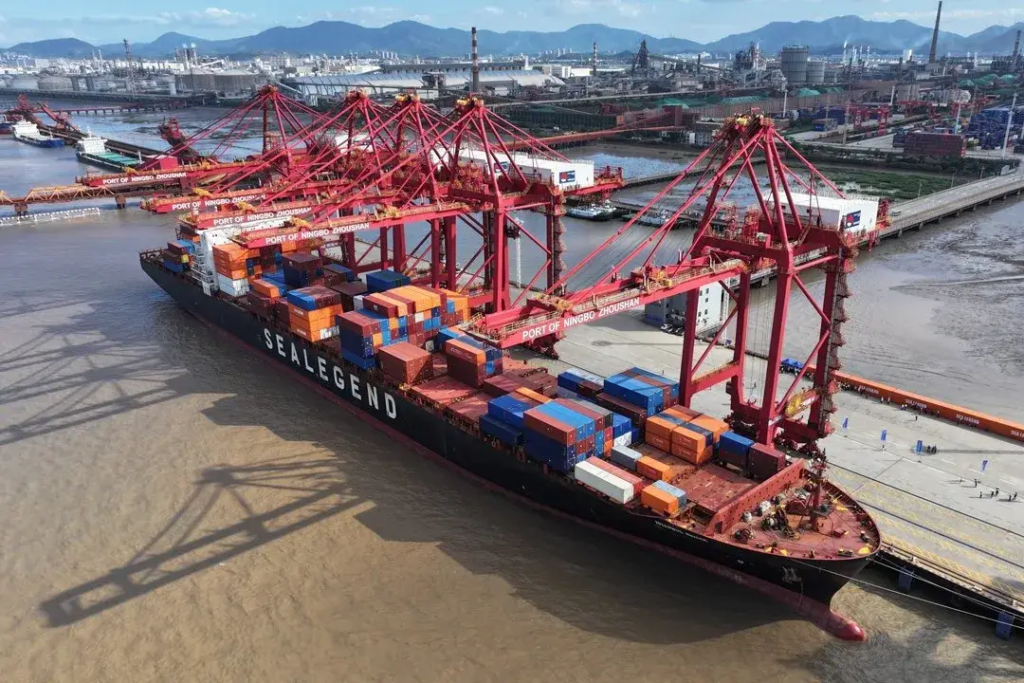
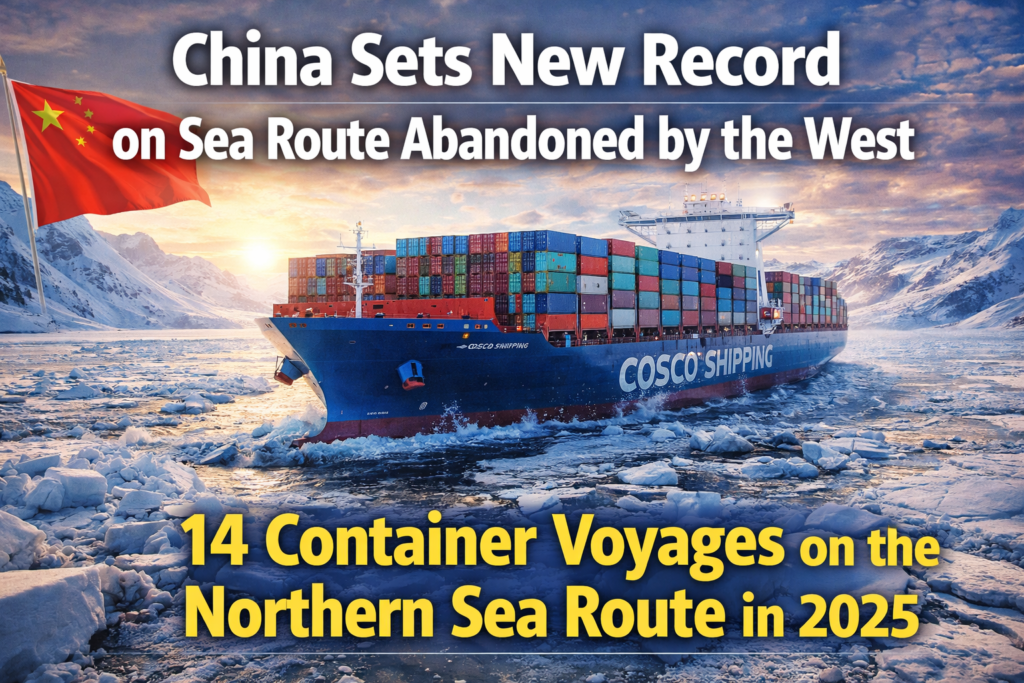
In 2025, Chinese shipping operators completed 14 successful container voyages along the Northern Sea Route, marking the highest number ever recorded in a single year.
These voyages transported thousands of containers between Asia and Europe, proving the route’s increasing commercial viability.
Key Statistics
- 14 container voyages completed
- Thousands of cargo containers delivered
- Transit time reduced by approximately 10–15 days
This achievement signals a growing shift in global shipping patterns.
The Role of Chinese Shipping Companies
Leading the Arctic Expansion
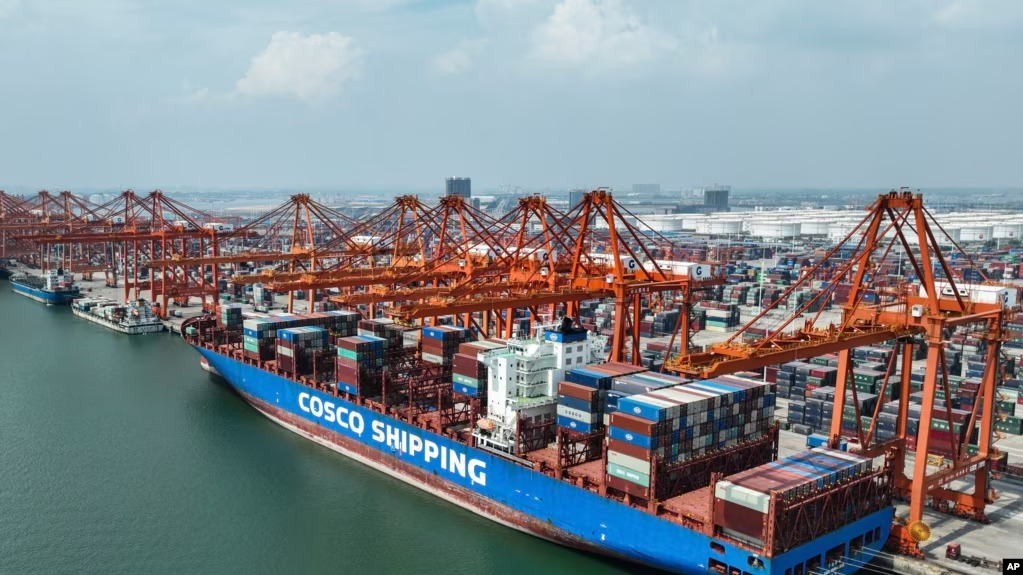
China’s state-owned shipping giant COSCO Shipping has been one of the primary drivers behind Arctic voyages.
The company has invested heavily in:
- Arctic-capable vessels
- Ice navigation technology
- Polar logistics infrastructure
By strengthening its Arctic fleet, COSCO has positioned itself as a pioneer of commercial Arctic shipping.
Environmental Changes Making the Route Possible
Melting Ice in the Arctic
One of the main factors enabling increased use of the Northern Sea Route is climate change.
The Arctic region is warming nearly four times faster than the global average, reducing sea ice coverage.
Scientists studying the Arctic Ocean have reported:
- Longer ice-free seasons
- Thinner sea ice
- More navigable waters
These environmental shifts are transforming what was once an extremely dangerous passage into a more accessible trade corridor.
Advantages of the Arctic Shipping Route
Faster Trade Between Asia and Europe
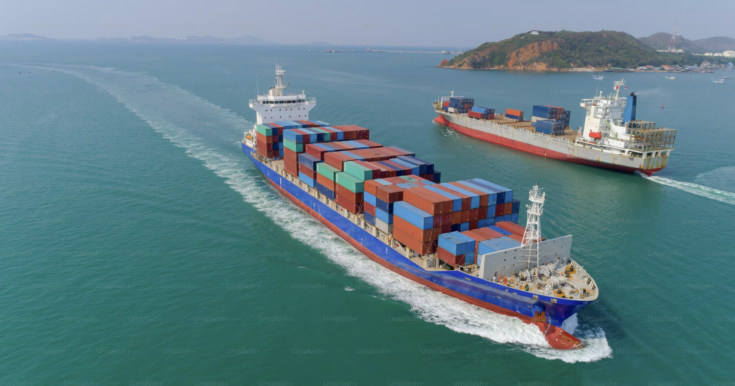
Traditional shipping routes from China to Europe usually pass through the Indian Ocean, the Red Sea, and the Suez Canal.
By contrast, the Arctic route cuts directly across the top of the Eurasian continent.
Benefits Include
- Reduced shipping distance
- Lower fuel costs
- Less congestion
- Faster delivery timelines
These advantages are especially important in the era of global supply chain competition.
Risks and Challenges of Arctic Shipping
Harsh Weather and Limited Infrastructure
Despite its benefits, the Northern Sea Route still presents serious challenges.
Major Risks
- Extreme weather conditions
- Limited search and rescue infrastructure
- Ice hazards
- Environmental concerns
Ships navigating the Arctic must often rely on Russian nuclear-powered icebreakers for safe passage.
Russia’s Role in Arctic Maritime Development
Russia controls most of the Arctic coastline along the Northern Sea Route.
The country has invested heavily in Arctic infrastructure, including:
- Icebreaker fleets
- Arctic ports
- Satellite navigation systems
This investment is part of Russia’s broader effort to establish itself as a dominant Arctic power.
Global Trade Implications
A Shift in Maritime Power
China’s record voyages suggest that Arctic shipping could become a major element of global trade in the future.
If the trend continues, it could challenge the dominance of traditional shipping lanes such as the Suez Canal.
Potential impacts include:
- New trade alliances
- Increased Arctic investment
- Changes in global shipping economics
Environmental Concerns and Criticism
Risks to Fragile Arctic Ecosystems
Environmental groups have raised concerns about increased shipping in the Arctic Ocean.
Potential environmental risks include:
- Oil spills in fragile ecosystems
- Noise pollution affecting marine mammals
- Black carbon emissions accelerating ice melt
Protecting Arctic biodiversity remains a key challenge as commercial activity increases.
Future of the Northern Sea Route
Will Arctic Shipping Become Mainstream?
Experts believe the Northern Sea Route could handle a growing share of global cargo in the coming decades.
Several factors will determine its future success:
- Climate conditions
- Political stability
- Infrastructure investment
- Environmental regulations
China’s growing involvement suggests that the Arctic will play a larger role in the global economy.
Technological Innovations Supporting Arctic Shipping
Icebreakers and Satellite Navigation
Modern shipping technology is making Arctic travel safer.
Advancements include:
- Ice-resistant ship designs
- Advanced satellite navigation
- Real-time ice monitoring systems
These technologies allow vessels to safely navigate regions that were once considered impassable.
Strategic Competition in the Arctic
The Arctic is rapidly becoming a region of geopolitical interest.
Countries including:
- China
- Russia
- United States
- Canada
are increasingly investing in Arctic infrastructure and security.
This growing competition could reshape global shipping and energy markets.
Conclusion
China’s record 14 container voyages along the Northern Sea Route in 2025 mark a significant moment in the evolution of global maritime trade.
As Western companies step back due to geopolitical tensions, China and Russia are moving forward to expand Arctic shipping opportunities. With climate change opening new navigation windows and technological advances improving safety, the Arctic could soon become a major global shipping highway.
However, the future of this route will depend on balancing economic opportunities with environmental protection and geopolitical stability.
The Arctic is no longer a distant frozen frontier—it is rapidly becoming one of the most strategically important regions on Earth.
FAQs
1. What is the Northern Sea Route?
The Northern Sea Route is a maritime passage that runs along the Arctic coast of Russia, connecting the Atlantic Ocean to the Pacific Ocean. It offers a shorter path between Asia and Europe compared to traditional shipping routes.
2. Why is the Northern Sea Route important for global trade?
The route can shorten shipping distances between Asia and Europe by thousands of kilometers compared to routes passing through the Suez Canal. This can reduce travel time, fuel costs, and shipping congestion.
3. Why did Western countries reduce their use of the route?
Many Western shipping companies reduced operations after the Russian invasion of Ukraine due to sanctions, political tensions, and increased insurance risks when operating in Russian-controlled Arctic waters.